Views
Home » What is visual identity?
ماهي الهوية البصرية

What is visual identity?

What is visual identity?

What is visual identity? Visual identity is an essential part of our daily interaction with brands and organizations. It represents the visual image these entities project, expressing their personality and values. Visual identity conveys a specific message about the brand or organization, making it a vital element in building awareness and engaging with the public.

When we look at any brand or organization, we find that its visual identity consists of the visual elements that distinguish it from others. These elements include logos, colors, shapes, fonts, and images, which combine to create a visual experience for the brand or organization.

Furthermore, building a strong visual identity is crucial for any brand seeking to stand out and attract attention. When the visual identity is cohesive and consistent, it is easily remembered and quickly recognizable by the audience, thus fostering engagement and brand loyalty.

Furthermore, visual identity builds a relationship with the audience by providing a distinctive and engaging visual experience. Thanks to its uniqueness and distinctiveness, visual identity contributes to the ongoing development of a brand's or organization's identity and reputation, making it one of the most important elements of success in the world of business and marketing.

ماهي الهوية البصرية
Visual Identity Design Company Tanta

The importance of visual identity design

While visual identity design goes beyond simply choosing a color or logo, it also conveys a brand's message and values in a visually appealing and engaging way. What is visual identity? Differentiating a brand from the competition is vital in a competitive market, as a unique visual identity can capture attention and attract potential customers.

A logo is the primary visual element that distinguishes an organization. It reflects its vision and values. A logo is typically simple and easily recognizable, featuring a unique design that sets the organization apart. Colors are also a vital element of visual identity, conveying the emotions and concepts associated with the brand. Furthermore, typography plays a significant role in enhancing an organization's identity, reflecting its personality, whether traditional or modern.

In addition.

By using a well-defined and consistent visual identity, an organization can build a strong and appealing image in the minds of its audience. Furthermore, these elements can foster brand loyalty and contribute to building lasting and strong relationships with customers. When implemented accurately, a visual identity becomes a key factor in building trust and loyalty to the brand, and it contributes to future success and sustainability.

The impact of visual identity on the brand's first impression

Visual identity plays a crucial role in shaping a brand's first impression on the public. Here are some ways visual identity design influences that first impression:

  1. Distinction and uniqueness: The distinctive elements of visual identity, such as the logo, colors, and fonts, help to differentiate the brand from competitors and attract the attention of the public.
  2. Professionalism and quality: A well-designed visual identity gives an impression of professionalism and quality, which reflects positively on the brand's reputation and inspires confidence in potential customers.
  3. Consistency and coherence: Using visual identity consistently across all audience touchpoints helps build a strong and unified brand image.
  4. Expressing personality and values: Visual identity design reflects the brand's personality and values, helping to convey a specific message and create an emotional connection with the target audience.
  5. User experience: Visual elements contribute to improving the user experience, whether in websites, applications, or even product design, which leads to a more positive brand impression through visual identity.
  6. Emotional response: Visual identity is capable of evoking emotional impressions and engaging with the audience, leading to the building of strong relationships and lasting trust.

In general, the design of a brand's visual identity plays a crucial role in creating a first impression, and can have a significant impact on how the public receives and interacts with the brand.

استراتيجيات تطوير الهوية البصرية
Visual identity development

Visual identity development strategies

Developing a visual identity requires well-defined and carefully considered strategies to ensure effective and distinctive brand representation. Here are some strategies that can be followed to successfully develop a visual identity:

Understanding the brand and target audience:

Before developing a visual identity, it's essential to fully understand the brand, including its values, message, and personality. Furthermore, studying and analyzing the target audience is crucial to ensure the visual identity meets their needs and preferences.

  1. Understanding the brand:
    • Studying the brand's history, vision, and mission.
    • Analyze the brand's values and the message it wishes to convey to customers and the community.
    • Examine the features and benefits of the products or services offered by the brand.
    • Evaluate brand reputation and review lessons learned from past experiences.
  2. Defining the personality and attitude:
    • Defining the brand's personality, which are the unique qualities that distinguish and express it.
    • Defining the brand's position: What is its visual identity? What issues and values does it believe in and support?.
  3. Target audience study:
    • Identifying the target demographic groups, such as age, gender, and geographic location.
    • Understanding the needs and desires of the target audience, what visual identity is, their problems and challenges.
    • Analyzing purchasing behavior: What is visual identity and consumption patterns? What is visual identity and cultural and social trends?.
Identifying the key elements:

Identifying key elements of visual identity, such as the logo, colors, fonts, and identifying symbols, is crucial in the brand development process, as these elements represent the brand and enhance its recognition among the target audience.

  1. Logo:
    • A logo is a visual symbol that represents a brand.
    • The logo should be simple, easy to use, and easy to recognize.
    • The logo is used in various applications, including printed materials, websites, and advertisements.
  2. colors:
    • Identify a set of key colors that represent the brand.
    • The colors should be consistent, reflect the brand's personality, and suit its target audience.
    • Colors are used in all visual elements of the brand such as logos, promotional materials, and websites.
Distinction and uniqueness:

Ensuring a distinctive visual identity that sets the brand apart from its competitors. Using unique design elements that express the brand's personality and attract attention.

Flexibility and evolution:

Designing a visual identity that is scalable and applicable across various media and platforms. Improving the visual identity over time to adapt to market changes and audience needs.

  1. Evolution:
    • Visual identity must be adaptable to keep pace with changes in the market, whether those changes are in design trends or changes in audience needs.
    • Visual identity elements can be updated over time to reflect the evolution of the brand. What is visual identity, such as updating the logo, changing colors, or developing identification symbols?.
    • The development process must be strategic and deliberate, while preserving the essential elements that distinguish the brand and enhance its recognition.
  2. Interacting with the audience:
    • It is important to involve the public in the process of developing the visual identity and to listen to their feedback and comments.
    • Continuous interaction with the audience helps in understanding their needs and in designing a better response to those needs.
    • Feedback from the public can be used to improve the visual identity and ensure its continuity and adaptation to market developments.
Consistency and differentiation:

Ensuring consistent application of the visual identity across all customer touchpoints. Creating a distinctive and unique look that sets the brand apart from competitors.

Interacting with the audience:

Encouraging audience engagement through visual identity involves both social media and real-world experiences. Visual identity is updated based on customer feedback and reactions.

Performance measurement and improvement:

Establish standards and indicators to measure the performance of the visual identity, such as engagement rates, interaction, and brand awareness. Use data and analysis to identify the strengths and weaknesses of the visual identity and implement necessary improvements.

Considering these strategies, a visual identity can be developed comprehensively and effectively to enhance audience engagement, build customer loyalty, and achieve market success.
Impact of changes in visual identity

Visual identity is a key element in building the unique identity of any organization or brand. However, the real challenge lies in consistently applying this identity across various communication channels and platforms. Consistent visual identity design has become vital to the success of any brand for several reasons.

Unifying the impression:

As a key element of brand citation, visual identity must be consistent across all contexts and media. By consistently applying visual identity design, a uniform impression is achieved, whether through websites, social media, print, or any other channels.

Building trust and getting to know one another:

Where visual identity is consistently present, customers and the public can easily and quickly recognize the brand. This rapid recognition fosters trust and facilitates the building of lasting relationships with customers, who feel connected to and a sense of belonging to the brand.

Enhancing professionalism and credibility:

Furthermore, the consistent application of the visual identity design reflects the brand's commitment to professionalism and seriousness. This, in turn, enhances credibility and contributes to building a positive brand reputation in the public eye.

In addition.Implementing a consistent visual identity design contributes to providing a unified and distinctive customer experience, which enhances loyalty and increases the likelihood of repeat business. With technological advancements and increased competitiveness, investing in achieving excellence through consistent visual identity implementation is essential for any brand seeking to remain competitive and expand its customer base.

While a consistent visual identity design is essential for achieving excellence and success in today's business world, by unifying impressions, building trust and recognition, and enhancing professionalism and credibility, brands can stand out effectively and build strong relationships with their audience. Therefore, a consistent visual identity design should be a top priority for anyone seeking to build a strong and distinctive brand in the market.

 Visual identity

 We must pay special attention to the shapes and patterns that form an essential part of this creative process. Shapes and patterns in visual identity design play a vital role in defining and distinguishing the brand; they are the elements that contribute to building the unique and distinctive identity of the company or organization.

First, let's look at the importance of shapes and patterns in visual identity design. The chosen shape or pattern to represent the brand is the first impression it gets from the target audience. While the shape can symbolize the company or organization, the pattern represents how that shape is applied across different communication channels.

Wherever we look, we find that the shapes and patterns in visual identity design tell the brand's story and convey its values and vision. For example, a simple logo consisting of a circle and a smooth line reflects simplicity and elegance, and can be associated with professionalism and sophistication.

Shapes and patterns

The use of shapes and patterns also enhances visual identity design, promoting distinction and uniqueness, as each shape or pattern possesses unique characteristics that set the brand apart. For example, a telecommunications company like Apple might use a circular shape to represent communication and modern technology, while a clothing company might use a shape like a rectangle to represent elegance and style.

Furthermore, shapes and patterns can contribute to shaping the customer experience, as they can be used repeatedly across various marketing materials and communication platforms. For example, a particular pattern might appear in a company logo and be repeated in advertising designs and websites, creating a consistent and integrated customer experience.

In addition. Companies and organizations should pay close attention to the design of their shapes and designs, as these represent the brand's image to the public and reflect its values and personality. If shapes and designs are carefully chosen and accurately represent the brand, they can be one of the most important factors in a brand's success in the market.

We cannot overlook the role of shapes and patterns in visual identity design, as they are essential elements in building and strengthening the brand. This is achieved through the skillful and harmonious use of shapes and patterns.

 Visual identity design

Visual identity design is the process of creating a visual look that represents a brand and expresses its personality and values. This process includes developing visual elements such as logos, colors, fonts, symbols, designs, and usage guidelines. Here are some general steps for designing a visual identity:

  1. Research and analysis:
    • Understanding the brand: Exploring the brand's values, message, and purpose.
    • Also, market analysis: studying competition and industry trends to understand the current situation and potential opportunities.
    • While identifying the target audience: understanding the target audience, their needs and preferences.
  2. Identity development:
    • While defining the personality and attitude: identifying the qualities and characteristics that the brand wants to embody.
    • Also, creating the name and logo: developing a brand name and designing a logo that expresses the identity and personality.
    • Where colors and fonts are defined: Choose a set of colors and fonts that express the brand in a unique and distinctive way.
    • Designing symbols and identification icons: Creating symbols and identification icons that enhance brand identity and make it easier to recognize.
  3. Identity verification:

    • Creating a visual identity guide: documentation that explains how to use all of the brand's visual elements correctly and consistently.
    • Usage Guidelines: Providing guidance on the use of the logo, colors, fonts, and symbols in various visual applications.
  4. ID application:
    • Applying visual identity to various forms of marketing and communication media, such as websites, printed materials, social media, and commercial designs.
  5. Evaluation and improvement:
    • Evaluate the effectiveness of the visual identity by monitoring audience response and analyzing data.
    • Make the necessary adjustments to improve the performance of the visual identity and enhance audience interaction with the brand.

Visual identity design is an ongoing process. A strong visual identity requires creativity and continuous engagement with the audience and the market. Investing in developing an effective and distinctive visual identity is crucial for building and strengthening the brand and achieving market success.

Key symbols and icons: Visual identity design

Key symbols and icons are fundamental to the visual identity design of any organization or brand. They represent visual elements that reflect the essence and personality of the organization, enhancing its distinctiveness and recognizability in the minds of its target audience. We will take an in-depth look at the importance of key symbols and icons in visual identity design and how to implement them effectively.

Known as “logos,” these are a fundamental starting point in visual identity design. These visual elements reflect the essence of the organization and translate it into a visual image that distinguishes it from others. What is visual identity? Key symbols and icons act as visual markers that differentiate the organization wherever they appear, whether on products, official websites, or social media.

In addition.

Furthermore، The design of logos and key symbols must be innovative and unique, as well as easy to understand and remember. They are not merely images; they are expressions of the values and principles of the organization they represent.

The use of colors, shapes, and fonts in the design of key symbols and icons also plays a vital role in enhancing the brand's visual identity. These elements should be consistent and aligned with the organization's message and unique expression.

We find that symbols and key icons transcend their role as mere visual elements; they represent strategic value for the brand. They reflect the organization's distinctiveness and establish its visual identity, forging an emotional connection with the target audience.

Designing symbols and key icons also requires a careful study of the market and target audience, as the design must be geared towards delivering an effective and immediate message.

Verbal and oral communication: Visual identity design

When discussing verbal and oral communication, we must highlight the role of visual identity design in enhancing this communication. Verbal and oral communication, and visual identity in particular, are among the most important forms of communication through which information is conveyed and ideas are exchanged between individuals and groups. Wherever individuals speak or interact, the visual identity design is central to enhancing the effectiveness of this communication.

FirstlyVisual identity design involves defining distinctive characteristics that differentiate a person, organization, or visual product. This requires using appropriate visual elements to convey the message clearly and effectively. Furthermore, the design must be appealing and inspiring to users; this balance between visual attractiveness and functionality is the essence of identity design.

secondlyVerbal and oral communication contributes to enhancing and embedding visual identity among the target audience. When information or ideas are presented verbally, it becomes easier for the audience to grasp the visual message and recognize the identity it represents.

In additionVerbal and oral communication is an integral part of visual identity design, as it helps clarify ideas, set priorities, and guide necessary changes. With continuous communication, visual design can undergo ongoing development and improvement to better reflect the identity of an individual, organization, or product. This discussion demonstrates that verbal and oral communication plays a vital role in the visual identity design process, helping to clarify the message. What is visual identity, and how does it enhance understanding of identity?.

Order and balance: Visual identity design

Order and balance: Visual identity design relies on the judicious selection of colors, fonts, and shapes, as well as the appropriate coordination of these elements to achieve the desired balance. While order focuses on structuring elements in a logical and clear sequence, balance depends on distributing visual weight evenly among these elements.

Proper use of spaces and spacing: Visual identity design

The proper use of space and spacing is a fundamental part of visual identity design. Achieving visual balance and organizing elements within the available space is crucial for creating an effective and engaging visual impact. Space and spacing are not merely empty spaces; they are a vital component of visual identity, significantly influencing how users read and interact with the design.

The importance of proper use of spaces and spacing:

When elements within a design are properly organized, it helps improve the user experience, making it smoother and more understandable. By providing appropriate white space between elements, a design can effectively capture viewers' attention and guide them to key information. Furthermore, good spacing and spacing can help foster positive impressions of a brand or product.

<yoastmark class=

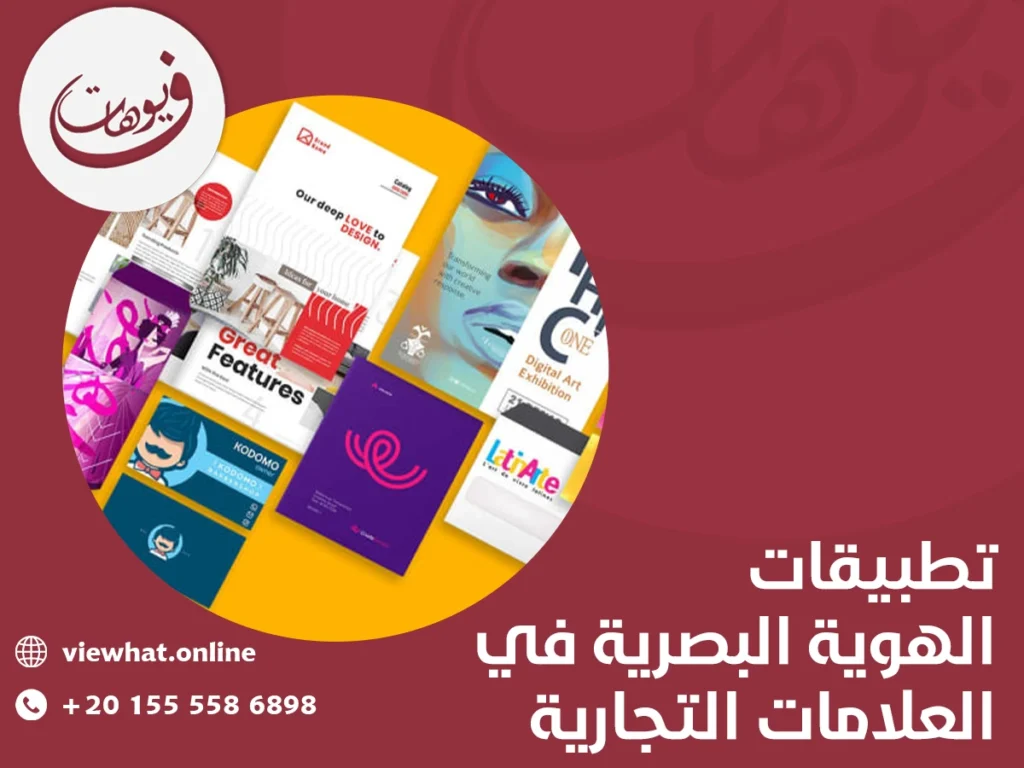
Visual identity applications in brands

Visual identity applications in branding encompass a variety of contexts and media through which visual identity elements are displayed and applied. Here are some examples of visual identity applications in branding:

  1. Logo: The logo is used as a visual symbol of the brand in a variety of applications, including websites, advertising materials, products, commercial buildings, official documents, and more.
  2. Colors: The brand identity colors are also used in all visual elements, such as logos, websites, packaging, advertisements, and publications, to enhance differentiation and create a distinctive visual experience.
  3. Typography: While the fonts are carefully selected to properly represent the brand, they are used in printed and digital materials such as advertisements, websites, trade publications, and packaging.
  4. Icons: Symbols and identifying marks that align with the brand's visual identity can also be used in digital applications, such as mobile apps, websites, and social media, to improve brand recognition and enhance communication with the audience.
  5. Advertising Design: Visual identity elements are applied in the design of print and digital advertisements to ensure brand distinctiveness and enhance visual memory.
  6. Commercial design (branding design): Visual identity is also applied in the design of commercial establishments, such as shops, restaurants and hotels, through the use of colors, fonts and symbols to create a unified and distinctive customer experience.
  7. Digital Design: While visual identity is used in the design of websites, mobile applications, and social media, what is visual identity to achieve a consistent and distinctive user experience?.
  8. Abstract design (Environmental Design): Visual identity is applied in the design of external and internal environments, such as exhibitions, events and commercial buildings, to create a distinctive atmosphere that reflects the brand's personality.

These are just a few examples of how visual identity can be applied to brands, and they can be modified and expanded to suit the needs and requirements of each specific brand.

Evaluating the effectiveness and success in designing and implementing the visual identity

Evaluating the effectiveness and success of visual identity design and implementation involves many different aspects that must be considered. Here are some elements that can help in this evaluation:

  1. Reliability and sustainability: While visual identity design maintains brand credibility over time, can the design of the visual identity adapt to changes in the market and requirements?.
  2. Distinction and uniqueness: Does visual identity design help a brand differentiate itself from competitors? Does visual identity design uniquely reflect the brand's personality and philosophy?.
  3. Impact on the consumer:How does visual identity design affect consumers' impression and interaction with the brand? Does the design encourage engagement and build loyalty?.
  4. Alignment with marketing strategy: Does the visual identity design align with the marketing strategy and brand objectives? Does the design enhance the brand's message and reflect its values?.
  5. Applicability: Can the visual identity design be easily and effectively applied across various marketing and communication channels? Does the design maintain brand consistency and distinctiveness across all channels?.
  6. Measurement and analysis: While visual identity can be measured by the impact and success of its design, are there specific metrics that can be used to measure design performance, such as engagement rates, conversion rates, and brand awareness?
  7. Evaluating observations and feedback: What are the public's opinions and feedback regarding the visual identity design? Is feedback collected and used to improve the design and enhance its effectiveness?

In short, evaluating the effectiveness and success of visual identity design and implementation requires considering a variety of factors, including the design's impact on the brand, consumer response, alignment with marketing strategy, and its applicability and measurability.

Ring.

Using advanced technology in visual identity design can contribute to building a positive brand image and enhancing its influence and uniqueness in a growing competitive market.

While technology is constantly evolving, the use of augmented reality and virtual reality in visual identity design remains an exciting area for discovery and innovation, where designers and companies can explore new possibilities to enhance interaction and communication with the audience in unprecedented ways.

While it can be said that using new technologies such as augmented reality and virtual reality in visual identity design is an important step towards achieving outstanding and amazing customer experiences, and enhancing positive impressions about the brand, which contributes to its success and continuity in the market.

At the end of a journey filled with achievements and excellence, she remains Views At the forefront of marketing and software solution providers.

To contact us by phone: 01555586898

Read also...

What is meant by e-commerce?

Best marketing services company

Are you looking for a marketing solutions company?

What is meant by visual identity?

Creating an online store

Home
Previous work
Articles
Contact us