
Views
Home » أهم منصات التواصل الاجتماعي

أهم منصات التواصل الاجتماعي

افضل شركة تسويق الكتروني بطنطا

Digital Marketing

Digital marketing has become indispensable for any business seeking growth and success. It represents the modern and effective way to connect with your target audience, whether for selling digital products and services or building your brand. Its effectiveness depends on a diverse range of tools and technologies that allow companies to communicate with their customers directly and effectively. These tools include social media, email, digital content, push search, content marketing, and many more. Modern technologies enable highly accurate analysis of campaign results, allowing for performance improvement and the identification of the most effective strategies for communicating with your target audience. We will focus on the importance of digital marketing in today's digital age, methods for implementing effective campaigns, and review some successful models in this field. Successful digital marketing techniques require the use of a variety of tools and strategies that effectively target your target audience. Here are some effective techniques: Search Engine Optimization (SEO): This is an important technique that helps you increase your website's visibility in organic search engine results, increasing your chances of reaching a wider audience and driving more traffic to your site. Keyword Research: Research keywords relevant to your business that your target audience is searching for. Use keyword research tools like Google Keyword Planner to select keywords with high demand and low competition. Optimize your website's content (On-Page SEO): Naturally and systematically incorporate keywords into page titles, descriptions, and content. Optimize images using alt tags and optimize page loading speed. Create valuable and useful content that appeals to your target audience and addresses their problems or needs, whether through blog posts, videos, or podcasts. Create valuable and useful content: Focus on creating content that solves problems or fulfills the needs of your target audience. This can be done through blog posts, educational videos, live tutorials, tips and tricks, etc. Strategically distribute your content: After creating your content, distribute it through appropriate channels that can reach your target audience. Develop a distribution plan that considers social media, other blogs, newsletters, relevant forums, and more. Social media marketing: Utilize social media platforms like Facebook, Instagram, Twitter, and LinkedIn to engage with your audience, share engaging content, and build strong relationships with potential customers. Target Audience Analysis: Thoroughly understand your target audience, including their interests, needs, and main social media presence. Integrated Strategy Development: Develop a comprehensive marketing strategy targeting all relevant social media platforms for your audience. Create a plan for content, engagement, and advertising. Engaging Content Creation: Create diverse and engaging content that captures your audience's attention. This could include images, videos, articles, surveys, or any other type of content that sparks interest. Online Advertising: Utilize online advertising on platforms like Google, Facebook, and Instagram to reach a specific target audience and increase brand awareness and product or service visibility. Choosing the Right Channels: Select the appropriate advertising channels for your target audience, such as search engines like Google Ads and social media networks like Facebook Ads and LinkedIn Ads. Define Advertising Objective: Clearly define your advertising objective, whether it's to increase sales, drive website traffic, enhance customer engagement, or something else. Email Marketing: Use email marketing to send promotional offers, newsletters, and valuable content to potential and existing customers, helping to build lasting relationships and trust. Building an email list: Build an email list that includes the email addresses of potential and existing customers. Make the subscription process easy and transparent on your website. Strategic messaging: Strategically target your email marketing messages based on the interests and needs of your target audience. Provide diverse and engaging content that captures their attention. Mobile content marketing: Use animated images and videos in your marketing to capture your audience's attention, better explain concepts, and increase engagement. Marketing videos: Create short, engaging marketing videos that showcase your products or services in an innovative and exciting way. Interactive and creative: Use mobile content interactively and creatively, such as animated stories or animations, to capture your audience's attention and spark their interest. Personalized experience marketing: Use smart marketing techniques and customer understanding to deliver a personalized experience for each customer, increasing conversion rates and loyalty. Analyzing personal data: Use data analytics to better understand your customers, identify their interests, preferences, and behaviors to deliver customized experiences. Content personalization: Create customized content for each customer based on their interests and needs, whether through email, websites, or social media. Using these techniques in an integrated and strategic way can help you build a successful marketing campaign and increase the success of your online business. The fundamentals of digital marketing include a set of tools and strategies that can be used to promote products or services online. Here are some key points: Professional Website: A website is the primary destination for any online business. Its content should be distinctive, user-friendly, and effectively reflect the brand identity. Mobile-Responsive Design: Ensure that the website design is responsive and displays well on all mobile devices, such as smartphones and tablets. Attractive and User-Friendly Design: Design a website that combines visual appeal with ease of use, allowing users to navigate easily and quickly access the desired content. Search Engine Optimization (SEO): Search engine optimization helps your website appear more prominently in search results when people search for products or services related to your business. Targeted Keywords: Choose keywords that target different pages on your website and use them strategically in titles, descriptions, and content. High-Quality Content: Create valuable and distinctive content that provides comprehensive and useful answers and information to internet users. Optimize titles and descriptions: Use effective and engaging page titles that reflect the page content. Write clear and compelling descriptions for each page to encourage clicks in search results. Social media marketing: Social media platforms like Facebook, Twitter, Instagram, and LinkedIn offer an opportunity to engage with your target audience and build strong relationships. Target the right audience: Identify your target audience and use the advanced targeting features available on social media platforms to reach them effectively. Create engaging and diverse content: Create engaging content that captures your audience's interest. Choose different content types, such as images, videos, articles, and stories, to keep them interested. Engage and share: Be active with your followers and fans by replying to comments, liking posts, and sharing interesting content.

Digital Marketing Read More »

علاقة السوشيال ميديا بالتسويق الإلكتروني

The relationship between social media and digital marketing

The Relationship Between Social Media and Digital Marketing: In the modern technological age, social media has become more than just a platform for personal communication; it has transformed into a powerful tool for digital marketing and building relationships between brands and their audiences. The relationship between social media and digital marketing is now one of the most important factors influencing digital marketing strategies, opening new horizons for communication and interaction between companies and customers. This relationship extends beyond simply creating pages on platforms like Facebook and Twitter; it encompasses advanced strategies for engaging with the audience and building strong, sustainable relationships. Whether you run a small or large company, understanding the relationship between social media and digital marketing can be key to the success of your advertising campaigns and increased sales. The Importance of Social Media in Digital Marketing: In our world of digital communication, and given the importance of the relationship between social media and digital marketing, we cannot ignore the role of social media in transforming marketing into effective e-commerce. The importance of social media platforms like Facebook, Twitter, Instagram, and LinkedIn in digital marketing is central to the strategies of businesses of all sizes and sectors. There are several reasons why it's an indispensable tool in digital marketing. 1. Wide Reach and Powerful Influence: Thanks to the massive number of users on social media platforms, businesses can easily reach a huge audience. Whether large or small, everyone can benefit from the vast user base that social media offers to market their products and services. 2. Broad Audience Reach: One of the most important aspects of using social media platforms in digital marketing is broad audience reach. By publishing content on platforms like Facebook, Instagram, Twitter, and LinkedIn, businesses can reach millions of users worldwide. This wide reach allows brands to interact with diverse audience segments and build a large customer base. Effective Interaction: In addition to their wide reach, social media platforms offer effective interaction between brands and users. Potential customers can interact directly with published content through comments, shares, and likes. This interaction allows companies to better understand customer needs and meet their expectations more effectively. Building Relationships and Trust: Social media also helps build strong and lasting relationships with customers. When customers see valuable and useful content from a brand on social media platforms, their connection to and trust in the brand increases. This leads to higher loyalty and sales. Performance Analysis and Strategy Improvement: Through the analytics tools available on social media platforms, companies can track the performance of their marketing campaigns and understand what is working and what is not. This data can then be used to improve future strategies and increase the overall efficiency of digital marketing. Direct Audience Engagement: Companies can also interact directly with their audience, whether by responding to comments, conducting surveys, or sharing engaging content. This interaction enhances brand trust and leads to building strong and lasting relationships with customers. Building Relationships: Social media platforms allow for direct interaction with the audience, enabling brands to build strong and lasting relationships with customers. Responding to comments, participating in discussions, and answering customer inquiries fosters trust and brand loyalty. Generating Engaging Content: Social media platforms encourage the creation of content that resonates with and is shared by the audience. Brands can leverage this engagement to generate more engaging content, whether through shares, comments, or reposts. Capturing Attention and Engagement: Social media helps capture the audience's attention and motivate them to interact more with the content. Challenges, polls, games, and contests can be used to increase audience engagement and interaction. Directing Attention to Products and Services: Through direct interaction with the audience, brands can effectively direct customer attention to their new products and services. Social media platforms can be used to announce special offers, launch new products, or offer limited-time services. Performance analysis and strategy improvement: Direct interaction with the audience on social media platforms provides valuable data that can be used to analyze the performance of marketing campaigns and improve future strategies. Using available analytics tools, brands can measure the impact of interaction on their marketing objectives and make the necessary decisions to improve performance. 3. Building brand identity: Through social media, companies can effectively build and strengthen their brand identity. The brand's vision and principles can be clearly presented through posts, images, and videos, helping to enhance the emotional response to the brand and foster loyalty. Building brand awareness: Also through social media, brands can build and enhance brand awareness in innovative and engaging ways. Brand-related content, such as images, videos, and articles, can be published across social media platforms to capture the audience's attention and introduce them to the brand and its products or services. . Spreading Brand Values: Social media can be an effective way to spread brand values and principles. Brands can share positive customer stories and experiences, and publish content that reflects the brand's vision and goals, helping to build a strong and distinctive identity. . Providing Unique Experiences: Through social media, brands can offer unique and distinctive customer experiences. Organizing contests, special offers, or discussion sessions helps attract audience attention and enhance brand engagement. . Analyzing Performance and Improving Strategies: Social media platforms also provide advanced analytics tools that allow brands to track the performance of their campaigns and measure their success. This data can be used to analyze performance and identify areas for improvement, thus refining future strategies. 4. Increasing Website Traffic: By using appropriate digital marketing strategies on social media platforms, companies can significantly increase traffic to their websites. By posting direct links to articles or special offers, users can be directed to the company's website for more information or to complete purchases. Creating engaging content: Through social media platforms, brands can create engaging and interesting content that targets their audience. Images, videos, and articles can be used to grab attention and motivate users to click on links in posts and visit the website. Encouraging sharing and engagement: Social media platforms also help encourage users to share content.

The relationship between social media and digital marketing Read More »

الفرق بين الهوية البصرية والعلامة التجارية

The difference between visual identity and branding

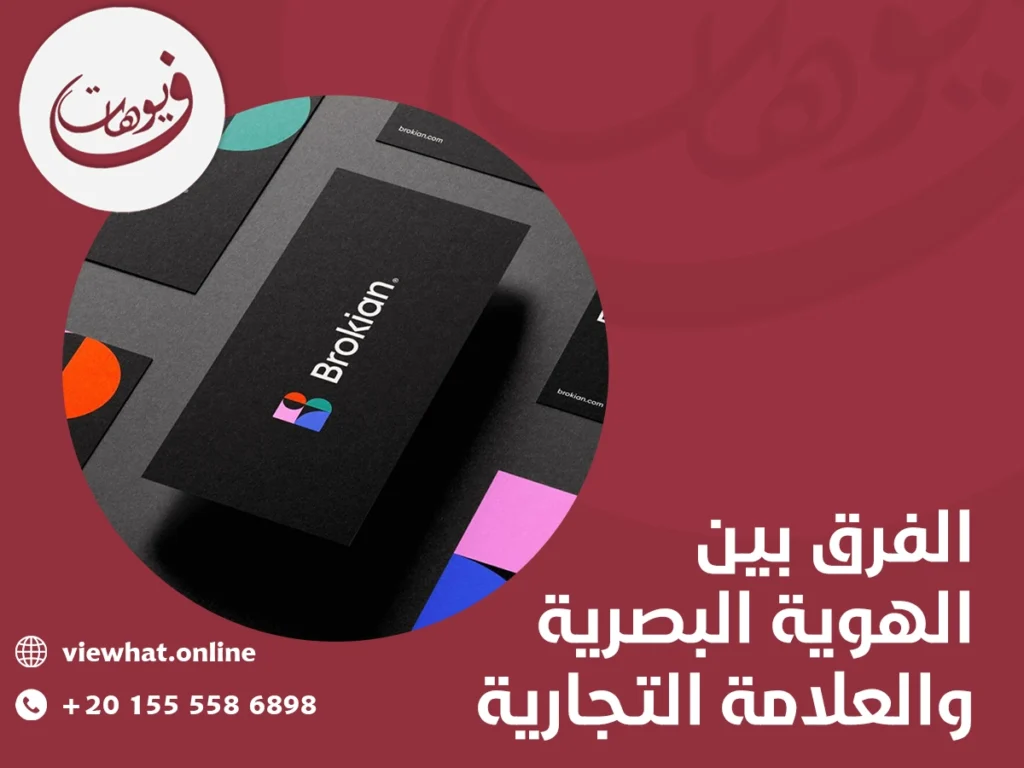
The difference between visual identity and branding lies in defining each concept separately. Visual identity refers to the visual aspect of a company. It includes elements such as logos, colors, fonts, and distinctive symbols that differentiate the company from others and give it a unique identity. Branding, on the other hand, is a broader concept. It represents a set of factors that include visual identity, as well as the values, culture, vision, and message that the company tries to convey to its audience and customers. Furthermore, visual identity can be considered part of branding, representing its visual face. However, branding extends beyond visual aspects to include many other factors that collectively shape the company's identity. Visual identity refers to the visual aspect of a company or product. It consists of visual elements such as logos, colors, fonts, and designs. Visual identity reflects the company's external image and contributes to defining its appearance and customer perception. The goal of visual identity is to create a distinctive and easily recognizable brand, enhancing visual memory for customers. Branding: A brand represents the overall and integrated identity of a company, encompassing its values, vision, principles, and the message it wishes to convey to customers. It includes many non-visual elements such as auditory, tactile, aromatic, and experiential elements. A brand reflects the company's identity and expresses its personality and distinctive characteristics. The goal of a brand is to build a long-term relationship with customers and foster overall brand loyalty. Visual identity focuses on visual elements such as the logo and colors, while a brand includes both visual and intellectual elements such as values and the message. Visual identity reflects the aesthetic aspect of the company, while a brand expresses its personality and standing in the minds of customers. Defining Visual and Intellectual Aspects: Visual identity primarily focuses on visual aspects such as the logo, colors, and fonts. A brand, on the other hand, encompasses intellectual aspects such as values, culture, and vision. Visual Aspects: Visual aspects include elements that can be seen and clearly identified; these are the factors that represent the visible side of the brand. These elements include logos, colors, graphic designs, and any other visual element used to represent the brand's visual identity. Defining these aspects aims to create a distinctive and attractive brand image. And to enhance its recognition and easy differentiation by customers and the target audience. Intellectual Aspects: Conversely, intellectual aspects include the values, principles, and vision that represent the rational and conceptual aspects of the brand. While these aspects relate to deeper and broader meanings than the visual aspects, they include the message the brand wishes to convey, the guiding principles it is based on, and the values the brand values and upholds. Defining these aspects also contributes to enhancing the audience's understanding of the brand and building a more interactive and influential relationship with it. Holistic Scope: Visual identity primarily refers to the visible and tangible elements of the company. A brand, on the other hand, encompasses all elements that represent the company's identity, including the invisible aspects. Importance of Holistic Scope: The importance of holistic scope lies in the brand's ability to define the company's identity and build a strong and distinctive image in the minds of customers and consumers. When a brand includes multiple aspects such as values, vision, and culture, it can interact better with the audience and build long-term relationships based on trust and loyalty. The impact of a holistic brand on customers: A holistic brand has a positive impact on customers, allowing them to easily recognize the company and understand its personality and values through the brand. This fosters a sense of belonging to these values and culture, increasing their connection to the company and their loyalty. The timescale: Visual identity may change over time to adapt to shifts in tastes and trends. Building a strong brand requires long-term effort and multiple strategies to cultivate trust and loyalty. A future vision of brand strength: In a rapidly changing business world, brand strength is essential for a company's long-term success and sustainability. A brand's timescale indicates its ability to survive and thrive over time, and its continuous and growing influence on the market and consumers. Interaction with the audience: Audiences primarily interact with the brand and its message. Interaction with a visual identity is more often a response to the design and visual elements. Active listening: Brands must be prepared to listen to customer feedback and suggestions seriously and effectively. Rapid Response: A brand should be ready to respond to customer inquiries and comments as quickly as possible to foster a sense of customer care and respect. Providing Added Value: Engaging with the audience can include providing helpful and value-added content to customers, whether through educational articles or practical tips. Overall Impact: A brand influences how the public perceives the company and their decisions to interact with it. Visual identity, on the other hand, may only be a factor in the initial impression without a profound impact on the customer's relationship with the brand. Continuity and Evolution: The continued influence of a brand depends on its ability to evolve and adapt to changes in the market and customer needs. Successful brands are those that remain fresh and vibrant, retaining the core elements that made them successful in the first place. Trust and Loyalty: Trust and loyalty contribute to enhancing the overall impact of a brand. When the public trusts a brand and remains loyal to it over time, its influence gradually increases and deepens in minds and hearts. Expressing Identity: Visual identity primarily expresses the aesthetic and visual aspects of the brand. While a brand expresses its personality, values, and vision, building differentiation involves identifying the factors that distinguish it from its competitors, whether these factors are visual, such as the logo and colors, or conceptual, such as values and vision. Building differentiation helps the brand achieve a distinctive position in the minds of customers and generate the desired interaction. Effective communication is a vital means of expressing identity, as it contributes to conveying the brand's message clearly and attractively. Communication must be aligned with the values and vision that the brand represents, whether through advertising, social media, or direct interaction with the audience. Distinguishing between visual identity and branding is crucial in understanding how to build and develop brands effectively. The difference between visual identity and branding refers to the variation in the elements that constitute each and the roles they play in defining the brand identity and communicating with the audience.

The difference between visual identity and branding Read More »

Home
Previous work
Articles
Contact us