Views
Home » Search engine optimization

Search engine optimization

Best SEO company in Dubai

The best SEO company in Dubai: Search engine optimization (SEO) has become vital for any company seeking online success, especially in Dubai, a major business and e-commerce hub in the Middle East. While there are numerous SEO companies in Dubai, one stands out thanks to its extensive experience and comprehensive services that effectively and efficiently meet the needs of diverse clients. The best SEO company in Dubai doesn't just aim for top search engine rankings; it also strives to increase brand visibility online and boost engagement with the target audience. This company utilizes the latest data analysis and website optimization techniques, helping businesses achieve their goals successfully. We'll take a closer look at the best SEO company in Dubai, focusing on its experience, methods, and the tangible results it has achieved for its diverse clients in this dynamic market. Contact us today to learn more about our services and special offers! Through our phone or WhatsApp, we emphasize the importance of continuous optimization and adapting to changing search engine algorithms. The importance of continuous optimization and adapting to changes in search engine algorithms lies in the ability to stay ahead in search results and ensure the continued deep visibility of your brand online. Staying ahead: Search engine algorithms are constantly changing and evolving, meaning that strategies that work today may not be effective tomorrow. Continuous optimization helps you stay ahead by ensuring that strategies are updated and adapted to these changes. Improved visibility and reach: Since search engines rely on complex algorithms to determine page rankings, continuous optimization helps improve your site's visibility to your target audience, increasing your chances of reaching potential users. User experience and engagement: Search engine algorithm technology evolves to improve user experience and enhance interaction with web content. Adapting to these changes ensures an improved user experience and increased engagement and interaction on your site. Trust and reputation: Since maintaining the highest levels of optimization leads to increased trust from search engines in your site, this can improve your site's reputation and increase its credibility among visitors and users. Keeping Pace with Industry Developments: Digital marketing methods and internet usage are evolving rapidly, and continuous improvement helps keep pace with these developments and new innovations in the industry. Continuous optimization and adaptation to changes in search engine algorithms are essential for success in online businesses, both now and in the future. They contribute to maximizing the benefits of digital marketing efforts and building a strong and sustainable online presence. Integrated Services Offered by the Company to its Clients in Dubai: The company, specializing in search engine optimization in Dubai, offers a range of integrated services aimed at effectively achieving clients' online goals: Website Analysis and Evaluation: The company conducts a comprehensive evaluation of the client's website in terms of design, performance, and user experience, identifying strengths and weaknesses. Website loading speed is also checked to ensure it is suitable and acceptable to search engines and users. Overall page performance is verified, and any slow loading issues or technical errors are addressed. User Experience and Design Responsiveness: The company also evaluates the user experience across the website, including mobile browsing and ease of access to desired content. Design responsiveness is checked to ensure the website adapts well to different devices and screen sizes. Don't hesitate to contact us today to begin your journey to success with Viewat. Reach us by phone or WhatsApp, and we'll be happy to provide you with a free consultation and help you achieve your goals. Keyword Research and Content Marketing: We research keywords relevant to your business and develop effective content strategies targeting these keywords to increase your search engine ranking. We also promote your content across social media platforms and various digital channels. We utilize email marketing to attract users interested in your content. We use web analytics tools like Google Analytics to measure content performance and understand visitor behavior. We learn from the data and adjust your content marketing strategy based on performance and engagement. Page and Content Optimization: We optimize your website's structure and content to improve user experience and increase engagement, such as improving loading speed and visual layout. We create internal links connecting related pages within your site. We optimize link distribution to enhance your site's overall value and facilitate indexing by search engines. Link Building and Relationship Management: We build high-quality links from reputable websites to increase your reach and improve your search engine ranking. External links (backlinks) are links from other websites pointing to your site. Internal linking is the process of connecting your website's pages together. Regular Reports and Analyses: We provide regular reports containing detailed analyses of website performance and required improvements, helping clients track progress and make informed strategic decisions. We also review the performance of targeted keywords and assess their ranking in search results, identifying new keyword opportunities and analyzing competitor strategies. Social Media Marketing: We integrate SEO strategies with social media marketing to increase awareness and enhance social engagement with the brand. Relationship Building: We help build strong relationships with the target audience and brand customers. Increased Awareness: We contribute to raising public awareness of the brand and its products or services. Improved Customer Experience: We enhance the customer experience through direct and effective communication. Support and Consulting: We offer ongoing support and consultation to clients to achieve optimal results and develop sustainable digital marketing strategies. Based in Dubai, we adopt a comprehensive approach that combines in-depth analysis with innovative strategies to deliver tangible SEO results for our clients. Advanced technology and tools used by the company for data analysis and performance improvement may be used by Viewhat for data analysis and performance improvement in the field of search engine optimization: Keyword analysis tools: Used to discover industry-relevant keywords and research those that can help increase visibility in search results. Keyword meaning: Understanding the nature of the target keyword and its relevance to your products or services. Research tools: Using tools such as Google Keyword Planner, SEMrush, Ahrefs, and Moz Keyword Explorer to discover relevant, high-volume keywords. Contact us today to learn more about our services and how we can help you achieve SEO success in Dubai. Performance and website analysis tools: Used to measure the client's website performance in terms of loading speed, code quality, and page structure, helping to improve user experience and achieve higher search engine rankings. Description: Providing tools to analyze targeted keywords and review their performance in search results. Benefits: Providing reports on keyword position in search engines and offering recommendations for ranking improvement. Also, analyzing keyword competitiveness and providing strategies to increase reach and visibility. Competitive analysis tools: Used to examine and evaluate competitor performance in


Best SEO company in Dubai Read More »

أفضل شركه SEO بطنطا

Best SEO company in Tanta

The best SEO company in Tanta is Viewhat, a company with a proven track record of success and achievements in website optimization. Viewhat adopts the latest SEO techniques and methods to ensure maximum results for its clients. Its team is highly experienced and professional in understanding client requirements and providing customized solutions to meet their needs. With the increasing importance of digital presence and website optimization for achieving outstanding search engine results, SEO companies have become vital in helping businesses thrive online. Among these leading companies, Viewhat stands out as one of the best SEO companies in Tanta. As a leading SEO company in Tanta, Viewhat ensures the use of precise research and analysis methods to identify the right keywords, optimize content, and effectively build backlinks. This leads to improved search engine rankings for its clients, increased traffic, and an enhanced user experience. By investing in a reliable and specialized SEO company like Viewhat, businesses in Tanta can fully leverage the power of online marketing and achieve success in the ever-growing world of the web. The SEO team's expertise is crucial to the success of digital campaigns and website performance. An SEO team comprises a group of specialized professionals with extensive experience and in-depth knowledge of website optimization for increasing search engine rankings. A deep understanding of search engine processes is essential: team members must be familiar with the principles of how search engines work and how to evaluate and rank websites. Ranking factors include keywords, external links, content quality, loading speed, user experience, and more. Analyzing algorithms is also vital; the team must understand how search engine algorithms work and their continuous evolution, and how these changes affect website rankings. Using analytical tools such as Google Analytics, Google Search Console, and other search tools that aid in understanding and improving website performance is also important. Finally, advanced analytical skills are necessary; the team must be able to effectively utilize analytics and data to evaluate website performance and identify areas for improvement. Big Data Analysis: This skill involves the ability to handle and effectively analyze large amounts of data to extract important findings and useful patterns. Predictive Data Analysis: This includes the ability to use historical data to develop predictive models that help forecast future trends and make informed strategic decisions. Unstructured Data Analysis: This involves using analytical techniques to understand unstructured data such as text, social media, and images to gain deeper insights. Ethical Practices: The team must adhere to ethical standards and recognized rules in the SEO field to achieve lasting and sustainable results. Credibility and Trust: Following ethical practices helps build credibility and trust with search engines and users. When a company adopts transparent and fair methods, it demonstrates to the public that it operates ethically and with integrity. Avoiding Penalties: Unethical practices in website optimization can result in penalties from search engines, such as a site's ranking downgrade or even permanent removal from indexing. This can negatively impact the company's reputation and ability to operate in the future. Compliance with Laws and Regulations: This is achieved through following ethical practices. The company can comply with local and international laws and regulations related to intellectual property rights and online publishing. Adaptability and Innovation: The team must be able to adapt to the constant changes in search engine algorithms and develop new strategies to improve website performance. Changes in Search Engine Algorithms: Search engines like Google regularly update their algorithms to improve the quality of results and provide a better search experience for users. Therefore, SEO professionals must adapt to these changes and adjust their strategies accordingly. Developments in Web Technologies: Web technologies are constantly evolving, requiring SEO specialists to innovate and use these technologies creatively to maximize their benefits in improving website performance. Changes in User Behavior: User behavior online is constantly changing, whether due to technological advancements or shifts in habits and trends. SEO specialists must adapt to these changes and adjust their strategies accordingly. Effective Communication and Project Management: The team must possess excellent communication skills and the ability to manage projects effectively to ensure the successful implementation of strategies. Effective communication with clients contributes to a better understanding of their requirements and the precise setting of goals. Continuous communication during campaign implementation can help guide the client and provide advice and direction on best practices and changes that can be implemented. Good communication among team members can also increase the effectiveness of collaboration and coordination between different departments. Providing added value: The team should always strive to provide added value to clients by achieving tangible results and improving long-term performance. Creating high-quality content: The content you create should be useful and distinctive, meeting the needs and interests of your target audience. You can provide helpful content that solves a specific problem, offers new information, or provides valuable insights. Improving the user experience: Ensure your website loads quickly and is easy to use on all devices. Pages should be easy to read and navigate, providing a pleasant and helpful user experience. Providing comprehensive information: Provide comprehensive and up-to-date information on topics relevant to your business or field. This can include guide articles, tutorials, research reports, and practical tips. An experienced SEO team is essential for success in online digital marketing strategies. Innovative Approaches to Improving Website Structure and Content: There are many innovative approaches that can be used to improve website structure and content, which can help increase the site's visibility in search engine results and enhance the user experience. Here are some innovative approaches: Personalized User Experience: Use innovative and interactive design techniques to enhance the user experience on the website. Elements such as animations, interactive content, and infographics can be included to make the user experience more engaging and exciting. Understanding the Target Audience: Analyze and understand your target audience in detail, including their interests, needs, and preferences. Use this information to better personalize your website content and user experience. Content Personalization: Create customized content tailored to the needs and interests of a specific audience segment. You can offer diverse content that meets the requirements of different customer groups. Personalized Website Experience: Provide a personalized website experience for each visitor by offering customized content, unique suggestions, and interactive experiences.

Best SEO company in Tanta Read More »

تحسين محركات البحث(seo)

Search engine optimization (SEO)

Search engine optimization (SEO) is fundamental to digital success. It's not just a technique; it's a comprehensive strategy aimed at increasing visibility and reaching your target audience online. We'll explore the world of SEO, uncover its secrets, and show how it can help you achieve web success. SEO is a set of techniques and procedures designed to optimize your website to increase its visibility and ranking in organic search engine results. SEO aims to get your site to appear at the top of search results for specific keywords related to your content, thereby attracting more targeted visitors and converting them into customers. How to achieve online success: Achieving online success requires a comprehensive strategy that ensures your presence and positive impact in the diverse and ever-expanding digital world. Here are some essential steps that can help you achieve online success: Develop a clear strategy: Before starting any online activity, you must define your goals and aspirations, and identify the risks and opportunities. Create a strategy that ensures you achieve your goals effectively. Set objectives: Also, before you start developing your strategy, define the objectives you want to achieve by optimizing your website for search engines. Do you want to increase traffic to your site? Increase your conversion rate? Increase sales? Market and Competitor Analysis: Research your market and analyze your competitors to understand current trends and identify their strengths and weaknesses. Building a High-End Website: You need a sophisticated and consistent website that reflects your brand identity and meets the needs of your target audience. Ensure your website provides an excellent user experience and runs smoothly on all devices. Defining Your Goal and Target Audience: Before you start building your website, define its main purpose and target audience. Do you want to sell products or services, or provide content and information? Choosing the Right Platform: Select the appropriate platform to build your website, whether it's a website builder like WordPress or Squarespace, or an online website builder like Wix or Squarespace. Search Engine Optimization (SEO): Optimize your website to be more visible to search engines. This increases your chances of appearing in organic search results and attracting more targeted visitors. Keyword Research and Analysis: Research keywords relevant to your website and services. Choose the keywords your target audience searches for most frequently. Content Optimization: Create engaging, high-quality content that meets the needs of your target audience. Use keywords naturally and consistently throughout your content. Utilize email marketing: Build a customer database and implement an email marketing strategy to expand your reach and drive engagement with your audience. Build your customer database: Collect email addresses of current and potential customers through past orders, registration forms, event enrollments, and social media. Segment your mailing list: Divide your database into categories based on customer interests. Social media presence: Use social media platforms to build a community around your brand, engage with your audience, and share valuable and engaging content. Choose the right channels: Select social media channels that align with your target audience and business objectives, such as Facebook, Twitter, Instagram, LinkedIn, YouTube, and others. Define your goals and vision: Before you start posting, define the goals you want to achieve through social media, whether it's increasing brand awareness, generating traffic, boosting sales, or driving customer interaction. Create valuable content: Develop high-quality, informative content that addresses the needs and interests of your target audience, whether through articles, videos, images, or other formats. Engage with your audience: Be responsive to your audience through comments, replies to messages, and offering support and assistance when needed. Respond to comments and messages: Also, be responsive to followers and customers when they interact with your posts or send you messages via social media or your website. Respond to comments politely and professionally, and reply to messages promptly. Organize contests and surveys: Run contests and surveys on social media and your website to increase audience engagement and encourage participation. Measure performance and analyze data: Monitor the performance of your campaigns and website using web analytics tools and performance reports, and use the data collected to regularly improve your strategies. Continuously develop and innovate: Always stay up-to-date with the latest developments in digital marketing and develop new strategies to excel and grow. Build strong customer relationships: Build solid and lasting relationships with your customers by consistently providing added value and meeting their needs. By following these steps, you can achieve online success and build a strong and sustainable online presence for your brand. Effective Strategies for Improving Your Search Engine Ranking: Improving your website's search engine ranking requires comprehensive strategies targeting various aspects of your site and web content. Here are some effective strategies for improving your search engine ranking: Choosing the Right Keywords: Research the keywords your target audience frequently searches for and strategically incorporate them into your website content to align with your topics and services. Optimizing Your Website Content: Create high-quality, effective content that provides added value to users. Ensure it naturally and appropriately includes your target keywords. Optimizing Website Structure and Content: Organize your website effectively and efficiently. Place internal links appropriately and make your content easily accessible and well-organized. Building Quality External Links: Build external links from authoritative and trusted websites in your field. This will help boost your search engine ranking. Optimizing Titles and Descriptions: Write accurate and engaging titles and descriptions for your website pages that include your target keywords. Improving Loading Speed and Performance: Ensure your website loads quickly and efficiently. Optimize its performance to enhance user experience and improve your search engine ranking. Optimize for local search: If your business is local, strengthen your local presence by accurately listing your information in local business directories and digital maps. Focus on quality over quantity: Create high-quality, valuable content, rather than focusing solely on quantity. Use social media effectively: Boost your social media presence and engagement with your audience to increase your website's visibility and promote your content. Continuous analysis and evaluation: Regularly monitor your website's performance and analyze visitor data, adjusting your strategies based on the analysis to achieve optimal results. Using these strategies in an integrated and coordinated manner will help you effectively improve your website's ranking in search engine results and achieve online success. The secrets of performance analysis and SEO evaluation: Performance analysis and SEO evaluation are essential parts of an effective SEO strategy, helping you understand how your website performs in search engine results and identify your strengths.

Search engine optimization (SEO) Read More »

تحسين محركات البحث بطنطا

Search engine optimization company in Tanta

Viewat Search Engine Optimization Company in Tanta offers specialized Search Engine Optimization (SEO) services in Tanta. Their focus is on enhancing online customer visibility and expanding their reach to a wider audience. Viewat's professional and specialized team possesses extensive experience in analyzing and understanding the preferences of major search engines. This enables them to implement effective strategies to achieve their clients' goals. Whether you're looking to increase web traffic, improve search rankings, or build a positive online reputation, Viewat provides customized solutions tailored to your business needs. Viewat leverages the latest technologies and methods in SEO to ensure maximum success for its clients. Search engine optimization is a fundamental element of any company's digital marketing strategy in today's world. A website plays a vital role in attracting customers and increasing brand awareness. Viewat is one of the leading SEO companies in Tanta, and we will explore its role in this field, detailing its services, work methods, and success stories in the digital marketing world. The History of Search Engine Optimization: Viwhat's Journey. Viwhat's journey in the field of Search Engine Optimization (SEO) dates back to 2013 when the company was founded as a small business in Tanta. It began as a personal project by a group of programmers and digital marketing experts specializing in SEO strategies. A Calm Start: The establishment of Viwhat and its initial steps in the world of SEO. Reduced Stress: A calm start can reduce the stress and pressure that can accompany a new beginning or a major undertaking. Instead of rushing, one can approach things at a comfortable and stable pace. Achievement of Focus: Starting slowly allows for focusing on key objectives and developing the necessary plans to achieve them without distractions or excessive pressure. Building Confidence: A calm start can help build self-confidence, giving individuals time to learn and develop skills without feeling inadequate or overwhelmed. Defining the Vision: How Viwhat developed a strategic plan to achieve success in the field of SEO. Realism: While the vision should be inspiring, it must also be realistic and grounded in the capabilities of the organization or individual and the surrounding circumstances. Values: The vision should align with the core values and principles of the organization or individual, reflecting their direction and fundamental interests. Participation: The vision-setting process should be collaborative, involving all stakeholders to ensure everyone's commitment and cooperation in achieving the goals. Innovation and Development: New ideas and technologies implemented by Viewat to enhance its SEO services. Successes and Challenges: Viewat's experiences in overcoming challenges and achieving successes in the SEO field. Customer and Revenue Growth: The company has successfully attracted a significant number of clients and expanded its customer base over the years, leading to increased revenue and remarkable business growth. Tangible Results: Viewat has successfully delivered tangible results for its clients by improving their search engine rankings, resulting in increased traffic and improved user conversion. Community Contribution: How Viewat contributes to supporting the local community and developing talent in the SEO field. Volunteer Work: You can also contribute to the community through volunteering with charitable organizations or non-profits. Volunteer work can include helping those in need, providing psychological support, or organizing social events. Other activities. Education and training: Contributing to the community can also be done by transferring knowledge and skills to others. This can be achieved through teaching lessons, organizing workshops, or providing advice and guidance to youth and the local community. Growth journey: Exploring Viewhat's expansion and development into a major player in the SEO market. Future vision: A future outlook on Viewhat's aspirations and plans for growth and innovation in the field of SEO. Analysis and evaluation: First, the current situation must be understood, and the challenges and opportunities analyzed. This is done by studying data and communicating with stakeholders. Goal setting: Based on the previous analysis, clear and measurable goals must be set that the organization or individual wishes to achieve in the future. Defining values and principles: The future vision should align with the core values and principles of the organization or individual and reflect its fundamental orientations and interests. Success indicators: Reviewing the achievements and recognition Viewhat has received as a result of its SEO efforts. Partnerships and collaborations: Viewhat's role in building partnerships with other companies and institutions to advance the field of SEO. Tips for Success: Lessons learned from Viwaat's experience and advice for startups in the field of search engine optimization. Understanding the Fundamentals of Search Engine Optimization (SEO): Search engine optimization (SEO) is a fundamental process in the web world, playing a crucial role in driving traffic to websites through search engines like Google and Bing. Success in SEO depends on understanding the basics and implementing the right strategies to increase website visibility and improve its ranking in search results. The Concept of SEO: An explanation of the meaning of SEO and its importance in digital marketing strategies. Site Structure: This refers to how website pages are organized and their internal links. The site structure should be easy to navigate and well-organized to ensure accessibility for both users and search engines. Backlinks: These are links from other websites pointing to your site. The presence of high-quality, reliable external links is a positive indicator of a website's credibility and popularity in the eyes of search engines. Factors Affecting Search Engine Ranking: An analysis of the factors that influence a website's ranking in search results, such as keywords, content quality, and external links. Backlinks: This also relates to the quality and quantity of external links pointing to your website. The more good, trustworthy links pointing to your site, the more credible and popular your site will be in the eyes of search engines. Site structure refers to how your website's pages and internal links are organized, and how this impacts user experience, accessibility, and the ease with which search engines understand the content. Performance includes website loading speed, response time, user experience, and site stability. Websites that offer a smooth and fast user experience are usually ranked higher by search engines. Keyword selection involves choosing the right keywords that your target audience is searching for. Understanding your target audience is crucial before you start choosing keywords; you need to understand their needs and interests. What words might they use when searching online? Research and analysis involve using search tools like Google Keyword Planner, SEMrush, or Ahrefs to explore keywords relevant to your industry. Research a variety of keywords and calculate search volume, competitiveness, and expected value. Content optimization involves methods for improving the quality of your content.

Search engine optimization company in Tanta Read More »

الروابط الخارجية

External Links Strategy

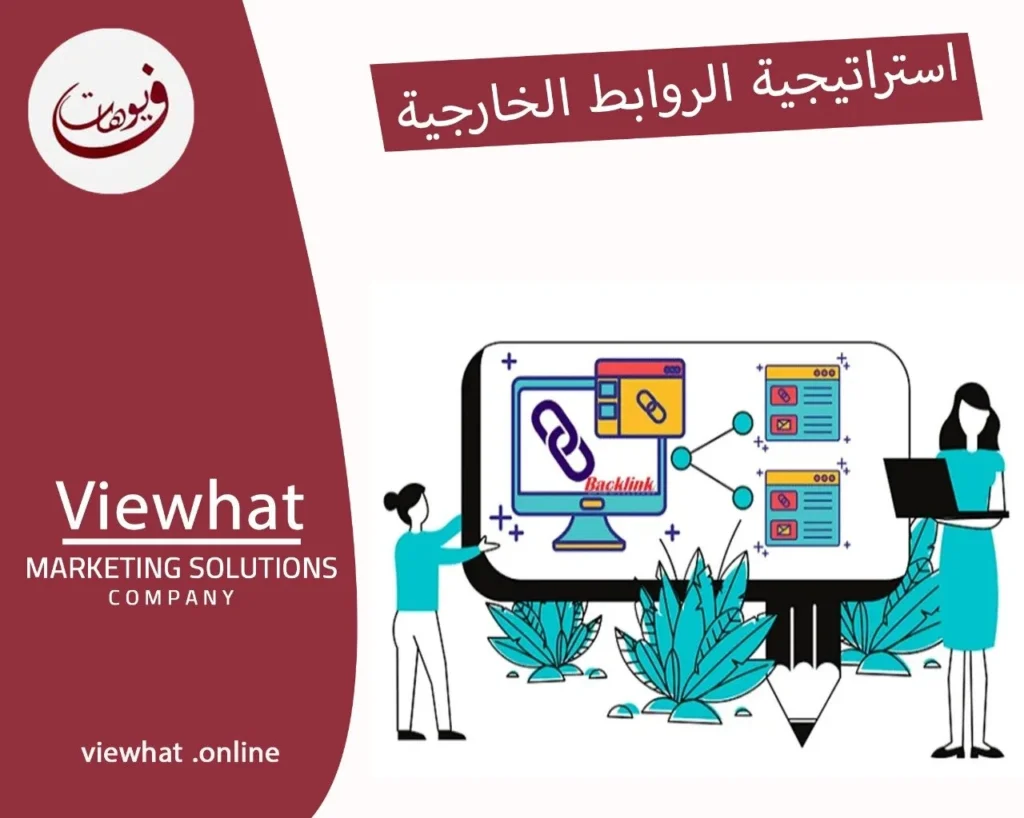
External Link Strategy: An external link strategy is a crucial part of search engine optimization (SEO) efforts, aiming to increase the number of links to your website from other websites. Here are some tips for developing an effective external link strategy: Link Quality: Focus on the quality of your links rather than their quantity. One high-quality link can be more valuable than dozens of low-quality links. Strive to acquire links from reputable and authoritative websites. High-Quality Content: Create high-quality, unique content that is inspiring and informative enough for other website owners to share and link to it. Ensure that you provide genuine value to your readers and users. Link Exchange: Link exchanges can be beneficial when conducted between relevant and collaborative websites. Ensure that the exchanged links are relevant and useful to users. Link Outreach: Research authoritative websites in your field and offer them your content so they can share it with their audiences. Be polite and professional when contacting other website owners and requesting links. Sharing content on social media: Share your content on social media to increase the chances of external websites linking to it. Shared posts can also increase reach and, consequently, increase backlinks. Link monitoring: Use link monitoring tools to monitor and analyze external links to your site. Analyze the origin and quality of links, promote high-quality links, and remove any harmful ones. Diversifying link sources: Try to acquire links from diverse sources such as news sites, blogs, forums, and social media. This can increase the diversity of your website's link profile and enhance its credibility. In short, the goal of an external link strategy is to make your website more popular and credible in the eyes of search engines, which helps improve your website's ranking in search results. How to get external links: There are several ways you can get backlinks to your website. Here are some common methods: Creating excellent content: Create unique and high-quality content that provides added value to readers and visitors. The better and more interesting your content is, the higher your chances of getting organic links from other websites. Connect with bloggers and website owners: Find bloggers and website owners in your niche who might be interested in your content. Reach out to them with personal and persuasive messages, suggesting links to your content where it could be useful to their readers. Participate in online communities: Look for forums, social media groups, and other online communities in your field. Actively participate in these communities, provide value to members, and, when possible, share links to your content that could be helpful. Seek link exchange opportunities: Some websites accept link exchanges, where you can display a link to their site on yours in exchange for a link from their site on yours. Make sure you exchange links with high-quality websites that offer excellent content. Use website directories: This is a slightly older technique, but it's still effective in some cases. Submit your website to a reputable website directory that offers site ranking services across various topics. Be present on social media: Regularly share your content on social media and try to attract the attention of your target audience. Sharing your content on social media can also lead to backlinks. Using Email: You can also send emails to relevant websites to request links or showcase your content. Remember that acquiring external links requires patience and dedication, and that quality is more important than quantity. Your focus should be on providing value to users and building relationships with other website owners. Factors for Evaluating External Links: Backlink evaluation factors are those used by search engines to determine the quality of external links pointing to your website. Here are some of the main factors search engines consider when evaluating external links: Website Authority: Search engines rely on authority metrics such as Domain Authority and PageRank to determine the strength of the website linking to yours. The higher the authority of the linking website, the more valuable the link is to search engines. Link Relevance: External links should ideally be relevant to your website and its content. For example, if your website is about cooking, links from food or cooking-related websites will be more valuable to search engines. Anchor Text: Anchor text is the text that is clicked to take you to a specific link. Anchor text is an important indicator for search engines to understand the content of the linked page, so it should be relevant to that content. Link diversity refers to the distribution of external links across different sources, such as news sites, blogs, social media, etc. Link diversity is an important factor in improving your site's credibility in the eyes of search engines. Link velocity refers to the rate at which new links point to your site over time. Rapidly increasing link forwarding may indicate abnormal activity or fraudulent attempts, which can negatively impact your site's ranking. Age of links is more valuable than new links, as it demonstrates link consistency and stability over time. Keep in mind that these factors are not exhaustive, and search engines use a variety of factors to evaluate the quality of external links and rank them in search results. Guest posting is a term used in search engine optimization (SEO) that refers to the process of publishing articles or content on other websites as a guest. In other words, someone (the guest) writes an article or content for another website (the host), and it's published there. Acquiring external links through guest posting is a common method for improving your website's ranking in search engine results. Guest post content typically includes a backlink pointing to the guest's website, which increases the number of external links coming to the guest site, thus boosting its authority and ranking in search engines. For their part, the host has the opportunity to publish fresh and diverse content that adds value to their site and attracts more visitors and readers. Additionally, guest posting can contribute to building good relationships with other website owners in the same niche, potentially leading to future collaboration opportunities. However, certain points should be considered when performing guest posting, such as ensuring the quality of the submitted content and making sure that...

External Links Strategy Read More »

حلول تسويقية مبتكرة

Innovative marketing solutions

Innovative Marketing Solutions: Innovative marketing solutions are an essential part of successful business strategies in the modern era, representing a crucial factor in achieving success and standing out in a competitive market. The need to implement innovative marketing solutions becomes increasingly important as companies face greater challenges in attracting and engaging customers. Innovative marketing solutions are fundamental to transforming traditional marketing strategies into innovative and effective approaches. If companies strive to remain competitive, adopting innovation in marketing becomes an unavoidable necessity. As businesses compete in a dynamic market environment, where new challenges demand innovative solutions, it becomes essential for companies to invest in strategies that align with the demands of the times and meet customer needs in an innovative and effective manner. Furthermore, companies must be prepared to change and adapt to the rapid shifts in the business world, adopting innovative marketing strategies to stay ahead and achieve sustainable success in a competitive market. Innovative Marketing Strategies: Marketing is a fundamental element of any business's success, and with the development of technology and changes in customer preferences, adopting innovative marketing strategies becomes vital. This article explores innovative marketing solutions. We will explore a range of innovative marketing strategies that can be adopted to achieve excellent results and increase engagement and sales. We will focus on marketing strategies that incorporate the following keywords: engagement, innovation, customers, added value, experience, and technology. Innovative marketing strategies: Turning innovation into business success in a rapidly changing marketing landscape. Innovation becomes fundamental to achieving differentiation and capturing customer attention. Wherever innovation is adopted in marketing strategies, innovative marketing solutions can have a profound impact on customer experience and the success of the marketing process. 1. Innovatively leveraging technology: Technology is a powerful marketing tool. It can be used innovatively to reach customers and motivate them to engage with the brand. Innovative marketing solutions utilize technologies such as augmented reality, artificial intelligence, and virtual reality to enhance customer experience and make it more enjoyable and effective. 2. Building unique and innovative experiences: Providing unique and innovative customer experiences can differentiate companies that succeed and grow from those that lag behind. This can be achieved by personalizing promotional offers, providing customized services, and creating interactive and innovative experiences. 3. Investing in Content Marketing: Content marketing is one of the most important innovative marketing strategies, as it helps build trust with customers and enhance brand awareness. Innovative marketing solutions can be used, such as interactive videos, engaging stories, and creative blogs, to capture the audience's attention and spark their interest. Experiential Marketing: Experiential marketing allows customers to personally and tangibly experience a product or service. This type of marketing enhances brand engagement and creates positive memories that drive loyalty. The Concept of Experiential Marketing: When it comes to experiential marketing, the key lies in creating interactive and enjoyable experiences for customers, whether through live events or online digital experiences. This type of marketing aims to create direct interaction between the customer and the brand, making the customer feel like they are part of an exciting marketing story rather than just a consumer. Strategies and Tools: Experiential marketing strategies rely on a variety of tools and techniques. These strategies can include creating amazing interactive events and innovative marketing solutions where customers are given opportunities to experience products or services firsthand. In addition, virtual reality (VR) and augmented reality (AR) are used to create immersive digital experiences that make customers feel as if they are in a completely different world. Interactive content marketing (ICM) utilizes interactive content such as interactive videos and surveys to increase audience engagement and encourage active participation. Benefits of ICM include: Increased Engagement: ICM encourages audiences to actively interact with content, increasing their engagement and interaction with the brand. Deeper Relationships: Direct interaction between the audience and the content helps build stronger, more connected relationships with the brand, fostering loyalty and increasing content reach. Improved User Experience: Direct interaction contributes to a more satisfying and enriching user experience. Increased Engagement and Spread: Direct interaction increases engagement and spread rates, as the audience feels a sense of ownership over the content and is therefore more likely to share it with others. Modern Technology Marketing: Using technologies such as AR and AI enhances customer experience and targets marketing efforts more precisely and effectively. Furthermore, innovative marketing strategies appear promising and exciting, all based on interaction, innovation, and delivering added value to customers. Furthermore, implementing these strategies requires a deep understanding of customer needs and a direct focus on achieving brand objectives. In the modern business world, social marketing has become more than just a trend; it's a way of life for brands seeking to engage with their audiences in a more inclusive and engaging way. Social marketing is centered around building strong and sustainable relationships with customers and the communities the brand serves. It relies on social values and effective communication as the foundation for its success. While traditional marketing is limited in scope and impact, social marketing offers an ideal platform for brands to interact with their audiences more effectively. Social marketing leverages social networks and digital platforms. Social marketing strategies include: Creating valuable content: Creating valuable and inspiring content is key to attracting attention and building trust with the audience. Regular interaction: Brands should also respond regularly to customer comments and inquiries, which enhances communication and trust. Promoting social values: Brands can achieve greater engagement by promoting social issues that matter to their audience. Using interactive campaigns: Offering interactive campaigns and challenges enhances audience engagement and boosts reach. Social marketing provides: Direct and effective interaction with customers: It allows the brand to respond immediately to customer feedback and inquiries. Building trust-based relationships: Through regular communication and the provision of valuable content, the brand can build strong relationships with its audience. Better understanding of audience needs: The brand can also use interaction data to better understand its audience and meet their needs more effectively. As a powerful communication and relationship-building tool, social marketing is an essential part of the marketing strategy for any brand seeking to interact effectively with its audience. Data analytics and artificial intelligence are fundamental to successful business strategies and technological development. Data analytics refers to the exploratory process aimed at extracting patterns and valuable information from large and diverse datasets. Artificial intelligence is a technology that seeks to enable computer systems to perform tasks that require human intelligence, such as learning and reasoning, and to provide innovative marketing solutions.

Innovative marketing solutions Read More »

الفرق بين الهوية البصرية والعلامة التجارية

The difference between visual identity and branding

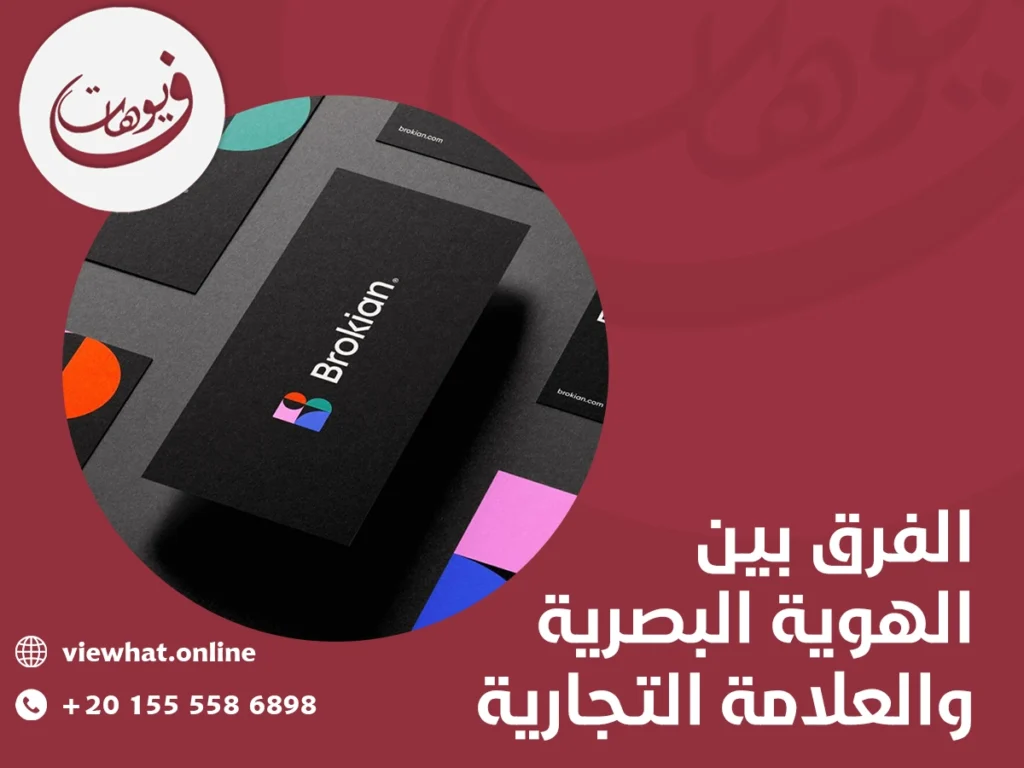
The difference between visual identity and branding lies in defining each concept separately. Visual identity refers to the visual aspect of a company. It includes elements such as logos, colors, fonts, and distinctive symbols that differentiate the company from others and give it a unique identity. Branding, on the other hand, is a broader concept. It represents a set of factors that include visual identity, as well as the values, culture, vision, and message that the company tries to convey to its audience and customers. Furthermore, visual identity can be considered part of branding, representing its visual face. However, branding extends beyond visual aspects to include many other factors that collectively shape the company's identity. Visual identity refers to the visual aspect of a company or product. It consists of visual elements such as logos, colors, fonts, and designs. Visual identity reflects the company's external image and contributes to defining its appearance and customer perception. The goal of visual identity is to create a distinctive and easily recognizable brand, enhancing visual memory for customers. Branding: A brand represents the overall and integrated identity of a company, encompassing its values, vision, principles, and the message it wishes to convey to customers. It includes many non-visual elements such as auditory, tactile, aromatic, and experiential elements. A brand reflects the company's identity and expresses its personality and distinctive characteristics. The goal of a brand is to build a long-term relationship with customers and foster overall brand loyalty. Visual identity focuses on visual elements such as the logo and colors, while a brand includes both visual and intellectual elements such as values and the message. Visual identity reflects the aesthetic aspect of the company, while a brand expresses its personality and standing in the minds of customers. Defining Visual and Intellectual Aspects: Visual identity primarily focuses on visual aspects such as the logo, colors, and fonts. A brand, on the other hand, encompasses intellectual aspects such as values, culture, and vision. Visual Aspects: Visual aspects include elements that can be seen and clearly identified; these are the factors that represent the visible side of the brand. These elements include logos, colors, graphic designs, and any other visual element used to represent the brand's visual identity. Defining these aspects aims to create a distinctive and attractive brand image. And to enhance its recognition and easy differentiation by customers and the target audience. Intellectual Aspects: Conversely, intellectual aspects include the values, principles, and vision that represent the rational and conceptual aspects of the brand. While these aspects relate to deeper and broader meanings than the visual aspects, they include the message the brand wishes to convey, the guiding principles it is based on, and the values the brand values and upholds. Defining these aspects also contributes to enhancing the audience's understanding of the brand and building a more interactive and influential relationship with it. Holistic Scope: Visual identity primarily refers to the visible and tangible elements of the company. A brand, on the other hand, encompasses all elements that represent the company's identity, including the invisible aspects. Importance of Holistic Scope: The importance of holistic scope lies in the brand's ability to define the company's identity and build a strong and distinctive image in the minds of customers and consumers. When a brand includes multiple aspects such as values, vision, and culture, it can interact better with the audience and build long-term relationships based on trust and loyalty. The impact of a holistic brand on customers: A holistic brand has a positive impact on customers, allowing them to easily recognize the company and understand its personality and values through the brand. This fosters a sense of belonging to these values and culture, increasing their connection to the company and their loyalty. The timescale: Visual identity may change over time to adapt to shifts in tastes and trends. Building a strong brand requires long-term effort and multiple strategies to cultivate trust and loyalty. A future vision of brand strength: In a rapidly changing business world, brand strength is essential for a company's long-term success and sustainability. A brand's timescale indicates its ability to survive and thrive over time, and its continuous and growing influence on the market and consumers. Interaction with the audience: Audiences primarily interact with the brand and its message. Interaction with a visual identity is more often a response to the design and visual elements. Active listening: Brands must be prepared to listen to customer feedback and suggestions seriously and effectively. Rapid Response: A brand should be ready to respond to customer inquiries and comments as quickly as possible to foster a sense of customer care and respect. Providing Added Value: Engaging with the audience can include providing helpful and value-added content to customers, whether through educational articles or practical tips. Overall Impact: A brand influences how the public perceives the company and their decisions to interact with it. Visual identity, on the other hand, may only be a factor in the initial impression without a profound impact on the customer's relationship with the brand. Continuity and Evolution: The continued influence of a brand depends on its ability to evolve and adapt to changes in the market and customer needs. Successful brands are those that remain fresh and vibrant, retaining the core elements that made them successful in the first place. Trust and Loyalty: Trust and loyalty contribute to enhancing the overall impact of a brand. When the public trusts a brand and remains loyal to it over time, its influence gradually increases and deepens in minds and hearts. Expressing Identity: Visual identity primarily expresses the aesthetic and visual aspects of the brand. While a brand expresses its personality, values, and vision, building differentiation involves identifying the factors that distinguish it from its competitors, whether these factors are visual, such as the logo and colors, or conceptual, such as values and vision. Building differentiation helps the brand achieve a distinctive position in the minds of customers and generate the desired interaction. Effective communication is a vital means of expressing identity, as it contributes to conveying the brand's message clearly and attractively. Communication must be aligned with the values and vision that the brand represents, whether through advertising, social media, or direct interaction with the audience. Distinguishing between visual identity and branding is crucial in understanding how to build and develop brands effectively. The difference between visual identity and branding refers to the variation in the elements that constitute each and the roles they play in defining the brand identity and communicating with the audience.

The difference between visual identity and branding Read More »

استراتيجيات التسويق الألكتروني

Digital Marketing Strategies

In the age of modern technology and the widespread use of the internet, digital marketing strategies have become one of the most important tools contributing to the success of companies and businesses. Companies are increasingly turning to the internet as an effective means of reaching their target audience and achieving their marketing objectives. The success of any digital marketing campaign depends on well-thought-out and consistent strategies that make digital content stand out effectively in the diverse and dynamic online environment. As research and analytics show, digital marketing plays a vital role in achieving business success and realizing company goals. Moreover, these strategies are essential for companies that want to stay ahead of the competition and achieve excellence in their market. In a world full of technology and digital advancements, digital marketing has become indispensable for business success across all industries and sectors. Digital marketing strategies represent the modern way to communicate with customers and build strong business relationships, providing unlimited opportunities for companies to grow and expand. In this article, we will explore the importance of digital marketing in the current era. Expanded Reach and Communication: One of the most important aspects of digital marketing strategies is its ability to significantly expand access to the target audience. Through the internet, companies can easily reach millions of users around the world. Directing marketing messages effectively and efficiently. 1. Reaching a broad audience: One of the most significant advantages of digital marketing is the ability to reach a vast online audience. Thanks to social media, search engines, and online advertising, companies can easily reach millions of consumers worldwide. 2. Precise message targeting: Through digital marketing, companies can precisely target messages to their desired audience. Using analytics and ranking data, messages and advertisements can be tailored to better suit the interests and needs of potential customers. 3. Increased interaction and engagement: Digital marketing also provides an opportunity for direct interaction with potential customers, whether through comments on social media posts or email replies. This interaction helps build strong relationships and trust between the company and its customers. Cost-effectiveness: Compared to traditional marketing such as television and print advertising, digital marketing is more cost-effective. Small and medium-sized businesses can benefit from digital marketing with limited budgets and achieve tangible results. Performance tracking and data analysis: Another advantage of digital marketing is the ability to accurately track campaign performance and analyze data to better understand consumer behavior. Digital marketing strategies can also be used by companies to refine and adapt their strategies to market needs. 1. Understanding Consumer Behavior: Digital analytics allows us to gain advanced insights into consumer behavior, such as the websites they visit, the content they engage with, and the ads they click on. This detailed information can be used to tailor marketing strategies and enhance the user experience. 2. Improving User Experience: By analyzing data, we can identify strengths and weaknesses in the user experience of a website or application. This allows companies to take action to improve design and usability, leading to increased conversion rates. 3. Refining Marketing Strategies: Data analysis can identify the most effective marketing campaigns and the most engaging channels for customers. Advertising campaigns can then be fine-tuned and audiences better targeted based on this knowledge, reducing advertising costs and increasing ROI. 4. Instant Interaction and Improved Relationships: Through social media, email, and websites, companies can interact with customers instantly and provide support and assistance when needed. This contributes to building strong and lasting customer relationships. 5. Content Technology and Creativity: Digital marketing provides an unlimited platform for creativity and innovation in creating engaging and compelling content. Through videos, images, blogs, and other forms of digital marketing content, companies can effectively capture customer attention and boost brand awareness. Enhancing audience engagement: Advanced technology and creative content creation enable the development of interactive and enjoyable user experiences. Digital marketing strategies increase opportunities for brand interaction and engagement. Boosting social interaction: Technology and creativity help create engaging and unique content that encourages users to share and interact with it across social media, contributing to increased brand visibility. Enhancing personal interaction: Technology and creativity can also be used to better tailor content to the needs of the target audience. Digital marketing strategies foster personal interaction and build stronger customer relationships. Digital marketing has become a cornerstone of business success in today's digital age. It represents an invaluable opportunity for companies to reach a broad audience, build strong relationships, and achieve growth and development in a competitive market. Improving the user experience across social media: Improving the user experience in digital marketing strategies is crucial for the success of marketing campaigns and for increasing conversion rates and brand loyalty. Here are some key points for improving the user experience in digital marketing: Responsive website design: The website should be user-friendly and adapt automatically to all different devices and screen sizes, ensuring a comfortable user experience anytime, anywhere. Smooth and flexible CSS: Flexible CSS techniques such as Flexbox and Grid should be used to distribute content appropriately across different screens, ensuring a consistent and seamless experience. Media queries for display and design control: Media queries can be used to adjust the website design based on device characteristics such as screen width, height, and orientation. Mobile-first design: Adopting a mobile-first approach is beneficial, where the website is initially designed for smaller devices like smartphones and then adapted for larger devices. Responsive images and media: Images and media that adapt to different screen sizes should be used, ensuring display quality and fast loading speeds on all devices. Improve loading speed: Website pages and content should be loaded less quickly, as loading delays can lead to lost visitors and reduced conversion rates in digital marketing strategies. Image and media compression: Use image compression tools to reduce image size without affecting quality. CSS and JavaScript files can also be compressed to reduce their size and, consequently, loading time. Use fast hosting: Choose a hosting service that offers high-performance servers and acceleration technologies such as caching and Content Delivery Network (CDN) to improve loading speed. Reduce the number of requests: Try to reduce the number of requests required to load website pages by combining files (such as CSS and JavaScript) and minimizing the use of images and media. Delay loading unnecessary resources: Use techniques to delay loading unnecessary resources, such as images that appear when scrolling down the page, to reduce loading time.

Digital Marketing Strategies Read More »

ماهي الهوية البصرية

What is visual identity?

What is visual identity? Visual identity is an essential part of our daily interaction with brands and organizations. It represents the visual image these entities project, expressing their personality and values. Visual identity conveys a specific message about the brand or organization, making it a vital element in building awareness and engaging with the audience. When we look at any brand or entity, we find that its visual identity comprises the visual elements that distinguish it from others. These elements include logos, colors, shapes, fonts, and images, which combine to create a visual experience for the brand or organization. Furthermore, focusing on building a strong visual identity is crucial for any brand seeking to stand out and attract attention. When visual identity is cohesive and harmonious, the audience can easily remember and quickly recognize it, fostering engagement and brand loyalty. Moreover, visual identity helps build a relationship with the audience by providing a distinctive and engaging visual experience. Thanks to the uniqueness and distinction it offers, visual identity contributes to the continuous building of a brand's or organization's identity and reputation, making it one of the most important elements of success in the world of business and marketing. The importance of visual identity design: While visual identity design goes beyond simply choosing a color or logo, it also visually and attractively conveys the brand's message and values. What is visual identity? Differentiating a brand from others is vital in a competitive market, as a unique visual identity can capture attention and attract potential customers. The logo is the primary visual element that distinguishes an organization. What is visual identity? It reflects its vision and values. A logo is typically simple and easily recognizable, featuring a unique design that sets the organization apart. What is visual identity? Colors are also a vital element of visual identity, as they convey the emotions and concepts associated with the brand. Furthermore, fonts play a significant role in enhancing an organization's identity, as they can reflect the organization's personality, whether traditional or modern. In addition, by using visual identity skillfully and consistently, an organization can build a strong and appealing image in the minds of its audience. Moreover, these elements can foster brand loyalty. What is a visual identity? It contributes to building lasting and strong relationships with customers. If implemented accurately, a visual identity becomes a key factor in building trust and loyalty to the brand, and it also contributes to achieving future success and sustainability. The impact of visual identity on the brand's first impression: Visual identity plays a crucial role in shaping the brand's first impression on the public. Here are some ways that visual identity design affects this first impression: Distinction and Uniqueness: Distinctive elements in the visual identity, such as the logo, colors, and fonts, help differentiate the brand from competitors and attract the public's attention. Professionalism and Quality: A well-designed visual identity conveys an impression of professionalism and quality, which reflects positively on the brand's reputation and inspires trust with potential customers. Consistency and Cohesion: Using the visual identity consistently across all points of contact with the public helps build a strong and unified brand image. Expression of Personality and Values: The visual identity design reflects the brand's personality and values, helping to convey a specific message and create an emotional connection with the target audience. User Experience: Visual elements contribute to improving the user experience, whether on websites, in applications, or even in product design, leading to a more positive brand impression. Emotional Response: A visual identity can evoke emotional impressions and engage the audience, leading to strong relationships and lasting trust. In general, a brand's visual identity design plays a crucial role in creating a first impression and can significantly impact how the audience receives and interacts with the brand. Strategies for Developing a Visual Identity: Developing a visual identity requires well-defined and carefully considered strategies to ensure the brand is represented effectively and distinctively. Here are some strategies that can be followed to successfully develop a visual identity: Understanding the Brand and Target Audience: Before starting to develop a visual identity, it is essential to fully understand the brand, including its values, mission, and personality. Study and analyze the target audience to ensure that the visual identity meets their needs and preferences. Understanding the Brand: Study the brand's history, vision, and mission. Analyze the brand's values and the message it wants to convey to customers and the community. Examine the features and benefits of the products or services offered by the brand. Evaluate brand reputation and review lessons learned from past experiences. Define personality and stance: Identify the brand personality, which are the unique qualities that distinguish and express it. Define the brand stance, which is the visual identity—the issues and values it believes in and supports. Study the target audience: Identify target demographics, such as age, gender, and geographic location. Understand the needs, desires, problems, and challenges of the target audience. Analyze purchasing behavior, consumption patterns, and cultural and social trends. Identify key elements: Identify the key elements of the visual identity, such as the logo, colors, fonts, and identifying symbols. In the brand development process, these elements represent the brand and enhance its recognition among the audience. Logo: The logo is a visual symbol that represents the brand. It should be simple, easy to use, and easily recognizable. The logo is used in various applications, including printed materials, websites, and advertisements. Colors: Identify a set of primary colors that represent the brand. The colors should be harmonious, reflect the brand personality, and suit its target audience. Colors are used in all visual elements of the brand, such as logos, promotional materials, and websites. Differentiation and Uniqueness: Ensuring the visual identity is distinctive and sets the brand apart from its competitors. Using design elements uniquely expresses the brand's personality and attracts attention. Flexibility and Evolution: Designing a visual identity that is scalable and applicable across various media and platforms. Improving the visual identity over time to adapt to market changes and audience needs. Evolution: The visual identity must evolve to keep pace with market changes, whether they are changes in design trends or changes in audience needs. Visual identity elements can be updated over time to reflect the brand's evolution, such as updating the logo, changing colors, or developing brand symbols. The evolution process should be strategic and well-thought-out, while preserving the core elements that distinguish the brand and enhance its recognizability. Engaging with the Audience: It is important to involve the audience in the visual identity development process and listen to their feedback and comments. Continuous interaction with the audience helps in understanding their needs and ensuring the design better addresses those needs. Feedback from the audience can be used to improve the visual identity and ensure its continuity and adaptability to market developments.

What is visual identity? Read More »

طرق تسويق الإلكتروني الناجحة

Successful e-marketing methods

Successful digital marketing strategies are key to success for any business striving for excellence. Success in digital marketing depends on using the right methods and tools, while marketers consider the location of their target audience. The modern technological age and continuous advancements in digital marketing allow us to employ diverse and effective approaches to reach potential customers. Successful digital marketing is fundamental to achieving success in digital marketing operations. When appropriate strategies are implemented and data is analyzed accurately, the desired results are achieved significantly. Furthermore, thorough research and analysis of customer behavior and preferences, along with past successes, can be valuable tools for improving current digital marketing strategies. The importance of successful digital marketing lies in its crucial role in the success of any online business in the modern era. Understanding and correctly applying these methods can yield remarkable results for both companies and individuals. 1. Achieving Broad Reach: Successful digital marketing methods enable companies to reach a wider audience through the use of digital communication channels. Successful digital marketing methods also allow marketing messages to reach potential customers worldwide quickly and easily. Keyword Research: Before starting any marketing strategy, you must understand how people search online for your products or services. Research keywords relevant to your business and use them strategically in your website, blog, and social media content. Search Engine Optimization (SEO): Achieving broad reach isn't limited to paid advertising. Search engine optimization (SEO) is also essential. Optimize your website structure, choose the right keywords, improve loading speed, and create high-quality content to improve your search engine rankings. Effective Social Media Use: Social media is one of the most important tools for achieving broad reach. Create accounts on platforms like Facebook, Instagram, Twitter, and LinkedIn, and publish engaging and diverse content to attract a wide audience. Also, take advantage of paid advertising options on these platforms to further expand your reach. 2. Increase Engagement: By using successful digital marketing methods, businesses can achieve high levels of audience engagement. Through digital channels, customers can interact directly with content and provide feedback and comments. Create valuable and engaging content: Creating engaging and valuable content is fundamental to increasing engagement. Create content that meets the needs of your target audience and sparks their interest, whether through articles, videos, images, or infographics. Leverage the power of social media: Social media is one of the most powerful tools for increasing engagement. Build a strong presence on platforms like Facebook, Instagram, Twitter, and LinkedIn, and be active regularly by sharing engaging content and interacting with your followers. Provide quick and responsive responses: Be quick to respond to customer comments and inquiries via social media and email. It also interacts with the audience effectively and authentically, helping to build positive relationships and increase engagement levels. 3. Cost Savings: Compared to traditional marketing, successful digital marketing is also more cost-effective. Businesses can achieve positive results with a limited marketing budget, and it also enhances the ability to achieve a higher return on investment. Leveraging Content Marketing: Content marketing is one of the most cost-effective methods in digital marketing. Create useful and engaging content to attract your target audience, such as articles, blog posts, and videos, without needing to spend a lot of money. Leveraging Social Media: Social media is also an effective and low-cost marketing tool. Create pages on platforms like Facebook, Instagram, Twitter, and LinkedIn for free, and be active regularly by sharing engaging content and interacting with your followers. Leveraging Email Marketing: Email marketing can save on direct costs, as you can send promotional messages, newsletters, and special offers to attract customers at low costs. How to Achieve Success with Digital Marketing: While there are many ways to implement digital marketing, here are some key points to consider: 1. Use Engaging Content: The content you provide should be interesting and valuable to your target audience. This can include articles, videos, images, contests, and promotions. 2. Understand Your Target Audience: Before creating any content, you must thoroughly understand your target audience. Discover their interests, problems, and needs, and use this knowledge to tailor your content to meet their expectations and pique their interest. 3. Diversify Content Types: Use a variety of content types such as articles, videos, images, infographics, and interactive materials like surveys and questionnaires. This helps to capture the audience's attention and address different needs. 4. Effective Use of Images and Videos: Images and videos are among the most engaging types of content online. Use them to grab your audience's attention and deliver your message visually and attractively. 5. Social Media Presence: Wherever your audience is, your company should be present. Companies should also develop marketing strategies for each social media platform that suit their target audience. 1. Building strong customer relationships: Social media provides a unique platform for building strong customer relationships. Through continuous and direct interaction, you can better understand their needs and expectations and provide them with better service, thus enhancing brand loyalty. 2. Increasing brand awareness: By publishing engaging and informative content on social media platforms, you can significantly increase brand awareness. Shared content can reach a wider audience and contribute to strengthening your brand image among your target audience. 3. Generating website traffic: By having a presence on social media, you can drive significant traffic to your website. You can use your social media posts and ads to direct your target audience to your product or service pages on your website. 4. Improving audience engagement and participation:

Successful e-marketing methods Read More »

Home
Previous work
Articles
Contact us