Views
Home » التجارة الاكترونية طنطا

التجارة الاكترونية طنطا

مجالات التجارة الإلكترونية

E-commerce fields

The realm of e-commerce transcends the boundaries of time and place. Its reach expands as it grows and evolves, opening doors to a world of opportunities and challenges in the digital business arena. From the dawn of the internet to the present day, it has attracted the attention of investors and business owners due to its potential to facilitate trade and expand markets. Furthermore, e-commerce offers a diverse range of services and products, each presented in a unique and distinctive way, whether in e-commerce retail or online shopping. It allows consumers easy and convenient access to a wide array of products and services. While digital transformation and the shift to e-commerce present new challenges, they also open up vast horizons for growth and expansion for both companies and individuals. Where there are opportunities, there are also challenges. Success in e-commerce requires a deep understanding of market and customer needs and the provision of innovative solutions that meet those needs. The importance of e-commerce lies in its status as one of the most vital sectors of the global economy today. The world is witnessing a massive shift towards digitalization and technology. The internet plays a fundamental role in facilitating business and expanding commercial opportunities. Its power lies in its ability to connect sellers and buyers easily and effectively online. Retail e-commerce involves selling products directly to consumers through online stores and e-commerce platforms. Products and services include presenting them clearly and attractively on the website, providing accurate and comprehensive information about each product or service. A satisfactory digital shopping experience is also essential, encompassing easy and convenient search, browsing, selection, payment, and delivery. Electronic payment and security are paramount, requiring the provision of diverse, secure, and reliable electronic payment options, including the use of secure payment gateways and approved electronic payment methods. Wholesale e-commerce allows companies to purchase goods in bulk online from wholesale suppliers. Social e-commerce involves using social media to market and sell products and services directly to customers. Direct communication includes direct interaction with customers through comments, private messages, and live chat, helping to build strong relationships and trust between the brand and its customers. Promoting offers and marketing campaigns: Companies can also use social media platforms to promote offers and marketing campaigns, increasing brand awareness and product visibility. Social networks for e-commerce: Some social media platforms allow the creation of integrated online stores directly within their platforms, facilitating buying and selling and enhancing the shopping experience. Decentralized e-commerce: This relies on blockchain technology to facilitate transactions between parties without the need for a central intermediary. Service-based e-commerce: Services such as consulting, training, design, and more are offered online. Legal and financial consulting: Lawyers and financial advisors can provide legal and financial advice and services online to individuals and businesses. Online education: Online educational and training courses are offered in a variety of fields, such as technology, business, and languages. Telehealth: Medical and psychological consultations and therapy services are provided online to individuals who cannot access traditional medical care. Online food and beverage platforms allow access to new customers and offer fast and flexible delivery services. Furthermore, online health and beauty stores can offer more specialized products and services, making it easier for customers to find what they need. Investing in e-commerce, in addition to providing retail e-commerce opportunities, also offers startups and small businesses opportunities for growth and expansion. Beginners can create online stores at a low cost and without the need for physical retail space, making it an ideal option for those looking to start a new business. Investing in retail e-commerce is a significant strategic step for both companies and individuals, offering a future window to success. Wholesale e-commerce is one of the most prominent and rapidly growing areas of e-commerce today. This industry is characterized by providing online platforms for merchants and suppliers. Smart technology: While technological advancements such as artificial intelligence and big data analytics can contribute to improving the online shopping experience by providing more accurate recommendations and better tailoring offers and services to each customer. Social commerce: Social media platforms will continue to play an important role in marketing and sales, as they can be used to increase communication with customers and strengthen social relationships with them, thus increasing sales. Countless opportunities. Wholesale e-commerce offers countless opportunities for both companies and individuals. Suppliers can showcase their products in large quantities and reach new customers in new markets. Social commerce: Using social media platforms to promote products and build strong relationships with customers. Virtual Experience: Providing virtual shopping experiences and augmented reality can contribute to increased sales and improved customer experience. A Pillar of Economic Growth: Wholesale e-commerce plays a crucial role in supporting economic growth, contributing to increased trade volume and enhanced economic cooperation between companies and countries. Boosting SMEs: E-commerce can provide new opportunities for small and medium-sized enterprises (SMEs) to access the global market and increase revenue, contributing to private sector growth and job creation. Enhancing Global Trade: By offering e-commerce platforms, companies can expand their operations and reach international customers, contributing to increased trade and a stronger global economy. Challenges and Opportunities: Despite all the opportunities offered by wholesale e-commerce, it faces several challenges related to regulation, security, and marketing. Social E-commerce: E-commerce is constantly evolving. Among the innovations that are transforming traditional commerce is social e-commerce. Using the internet and social media to market and sell products is a radical change in the digital business world. Direct Interaction: Customers can communicate directly with brands through social media, such as comments and private messages, allowing them to receive help and support quickly and effectively. Personalized Experience: Brands can also use social media data to personalize the shopping experience for each customer individually, enhancing satisfaction and brand loyalty. While social e-commerce offers numerous benefits, it can also present new challenges. Social e-commerce allows businesses to interact with their customers wherever they are, including on social media platforms. Analyzing the Most Important Areas of E-commerce: In our evolving digital world, e-commerce is no longer just a new technology; it has become a lifestyle and an economic reality for many around the world. In this article, we will analyze the most important areas of e-commerce that are experiencing remarkable growth and a profound impact on the global market. Sector Importance: The online retail sector is experiencing rapid growth due to consumers' preference for online shopping, easy access to diverse products, and competitive prices. Economic Growth:
E-commerce fields Read More »

الفرق بين الهوية البصرية والعلامة التجارية

The difference between visual identity and branding

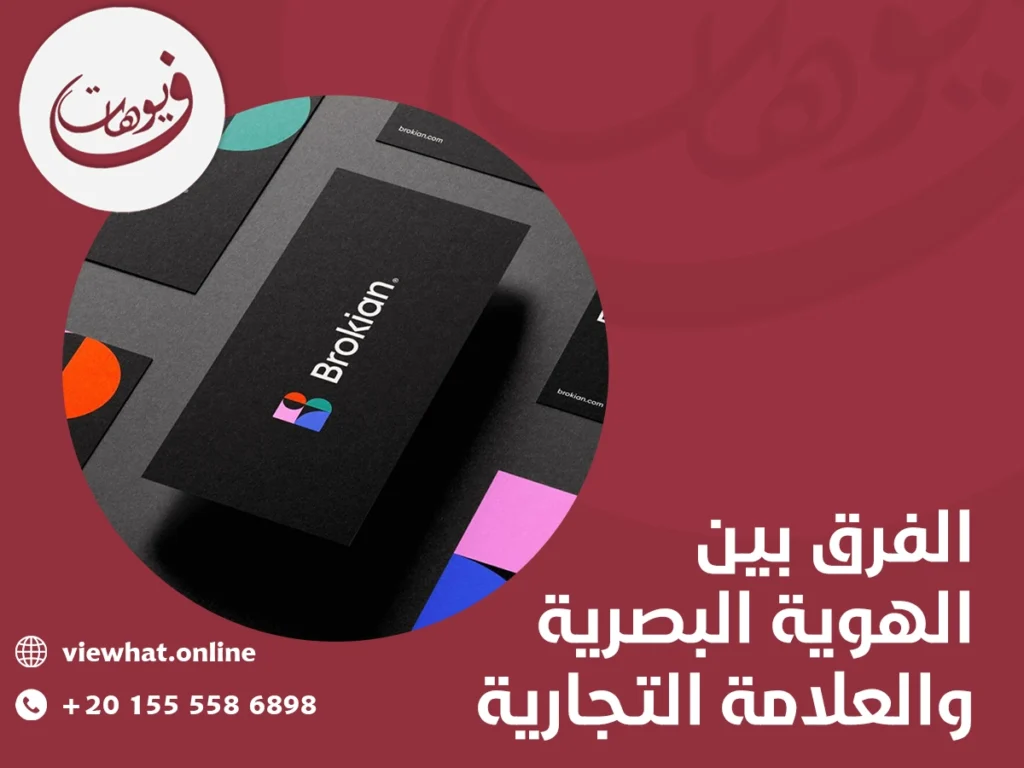
The difference between visual identity and branding lies in defining each concept separately. Visual identity refers to the visual aspect of a company. It includes elements such as logos, colors, fonts, and distinctive symbols that differentiate the company from others and give it a unique identity. Branding, on the other hand, is a broader concept. It represents a set of factors that include visual identity, as well as the values, culture, vision, and message that the company tries to convey to its audience and customers. Furthermore, visual identity can be considered part of branding, representing its visual face. However, branding extends beyond visual aspects to include many other factors that collectively shape the company's identity. Visual identity refers to the visual aspect of a company or product. It consists of visual elements such as logos, colors, fonts, and designs. Visual identity reflects the company's external image and contributes to defining its appearance and customer perception. The goal of visual identity is to create a distinctive and easily recognizable brand, enhancing visual memory for customers. Branding: A brand represents the overall and integrated identity of a company, encompassing its values, vision, principles, and the message it wishes to convey to customers. It includes many non-visual elements such as auditory, tactile, aromatic, and experiential elements. A brand reflects the company's identity and expresses its personality and distinctive characteristics. The goal of a brand is to build a long-term relationship with customers and foster overall brand loyalty. Visual identity focuses on visual elements such as the logo and colors, while a brand includes both visual and intellectual elements such as values and the message. Visual identity reflects the aesthetic aspect of the company, while a brand expresses its personality and standing in the minds of customers. Defining Visual and Intellectual Aspects: Visual identity primarily focuses on visual aspects such as the logo, colors, and fonts. A brand, on the other hand, encompasses intellectual aspects such as values, culture, and vision. Visual Aspects: Visual aspects include elements that can be seen and clearly identified; these are the factors that represent the visible side of the brand. These elements include logos, colors, graphic designs, and any other visual element used to represent the brand's visual identity. Defining these aspects aims to create a distinctive and attractive brand image. And to enhance its recognition and easy differentiation by customers and the target audience. Intellectual Aspects: Conversely, intellectual aspects include the values, principles, and vision that represent the rational and conceptual aspects of the brand. While these aspects relate to deeper and broader meanings than the visual aspects, they include the message the brand wishes to convey, the guiding principles it is based on, and the values the brand values and upholds. Defining these aspects also contributes to enhancing the audience's understanding of the brand and building a more interactive and influential relationship with it. Holistic Scope: Visual identity primarily refers to the visible and tangible elements of the company. A brand, on the other hand, encompasses all elements that represent the company's identity, including the invisible aspects. Importance of Holistic Scope: The importance of holistic scope lies in the brand's ability to define the company's identity and build a strong and distinctive image in the minds of customers and consumers. When a brand includes multiple aspects such as values, vision, and culture, it can interact better with the audience and build long-term relationships based on trust and loyalty. The impact of a holistic brand on customers: A holistic brand has a positive impact on customers, allowing them to easily recognize the company and understand its personality and values through the brand. This fosters a sense of belonging to these values and culture, increasing their connection to the company and their loyalty. The timescale: Visual identity may change over time to adapt to shifts in tastes and trends. Building a strong brand requires long-term effort and multiple strategies to cultivate trust and loyalty. A future vision of brand strength: In a rapidly changing business world, brand strength is essential for a company's long-term success and sustainability. A brand's timescale indicates its ability to survive and thrive over time, and its continuous and growing influence on the market and consumers. Interaction with the audience: Audiences primarily interact with the brand and its message. Interaction with a visual identity is more often a response to the design and visual elements. Active listening: Brands must be prepared to listen to customer feedback and suggestions seriously and effectively. Rapid Response: A brand should be ready to respond to customer inquiries and comments as quickly as possible to foster a sense of customer care and respect. Providing Added Value: Engaging with the audience can include providing helpful and value-added content to customers, whether through educational articles or practical tips. Overall Impact: A brand influences how the public perceives the company and their decisions to interact with it. Visual identity, on the other hand, may only be a factor in the initial impression without a profound impact on the customer's relationship with the brand. Continuity and Evolution: The continued influence of a brand depends on its ability to evolve and adapt to changes in the market and customer needs. Successful brands are those that remain fresh and vibrant, retaining the core elements that made them successful in the first place. Trust and Loyalty: Trust and loyalty contribute to enhancing the overall impact of a brand. When the public trusts a brand and remains loyal to it over time, its influence gradually increases and deepens in minds and hearts. Expressing Identity: Visual identity primarily expresses the aesthetic and visual aspects of the brand. While a brand expresses its personality, values, and vision, building differentiation involves identifying the factors that distinguish it from its competitors, whether these factors are visual, such as the logo and colors, or conceptual, such as values and vision. Building differentiation helps the brand achieve a distinctive position in the minds of customers and generate the desired interaction. Effective communication is a vital means of expressing identity, as it contributes to conveying the brand's message clearly and attractively. Communication must be aligned with the values and vision that the brand represents, whether through advertising, social media, or direct interaction with the audience. Distinguishing between visual identity and branding is crucial in understanding how to build and develop brands effectively. The difference between visual identity and branding refers to the variation in the elements that constitute each and the roles they play in defining the brand identity and communicating with the audience.

The difference between visual identity and branding Read More »

استراتيجيات التسويق الألكتروني

Digital Marketing Strategies

In the age of modern technology and the widespread use of the internet, digital marketing strategies have become one of the most important tools contributing to the success of companies and businesses. Companies are increasingly turning to the internet as an effective means of reaching their target audience and achieving their marketing objectives. The success of any digital marketing campaign depends on well-thought-out and consistent strategies that make digital content stand out effectively in the diverse and dynamic online environment. As research and analytics show, digital marketing plays a vital role in achieving business success and realizing company goals. Moreover, these strategies are essential for companies that want to stay ahead of the competition and achieve excellence in their market. In a world full of technology and digital advancements, digital marketing has become indispensable for business success across all industries and sectors. Digital marketing strategies represent the modern way to communicate with customers and build strong business relationships, providing unlimited opportunities for companies to grow and expand. In this article, we will explore the importance of digital marketing in the current era. Expanded Reach and Communication: One of the most important aspects of digital marketing strategies is its ability to significantly expand access to the target audience. Through the internet, companies can easily reach millions of users around the world. Directing marketing messages effectively and efficiently. 1. Reaching a broad audience: One of the most significant advantages of digital marketing is the ability to reach a vast online audience. Thanks to social media, search engines, and online advertising, companies can easily reach millions of consumers worldwide. 2. Precise message targeting: Through digital marketing, companies can precisely target messages to their desired audience. Using analytics and ranking data, messages and advertisements can be tailored to better suit the interests and needs of potential customers. 3. Increased interaction and engagement: Digital marketing also provides an opportunity for direct interaction with potential customers, whether through comments on social media posts or email replies. This interaction helps build strong relationships and trust between the company and its customers. Cost-effectiveness: Compared to traditional marketing such as television and print advertising, digital marketing is more cost-effective. Small and medium-sized businesses can benefit from digital marketing with limited budgets and achieve tangible results. Performance tracking and data analysis: Another advantage of digital marketing is the ability to accurately track campaign performance and analyze data to better understand consumer behavior. Digital marketing strategies can also be used by companies to refine and adapt their strategies to market needs. 1. Understanding Consumer Behavior: Digital analytics allows us to gain advanced insights into consumer behavior, such as the websites they visit, the content they engage with, and the ads they click on. This detailed information can be used to tailor marketing strategies and enhance the user experience. 2. Improving User Experience: By analyzing data, we can identify strengths and weaknesses in the user experience of a website or application. This allows companies to take action to improve design and usability, leading to increased conversion rates. 3. Refining Marketing Strategies: Data analysis can identify the most effective marketing campaigns and the most engaging channels for customers. Advertising campaigns can then be fine-tuned and audiences better targeted based on this knowledge, reducing advertising costs and increasing ROI. 4. Instant Interaction and Improved Relationships: Through social media, email, and websites, companies can interact with customers instantly and provide support and assistance when needed. This contributes to building strong and lasting customer relationships. 5. Content Technology and Creativity: Digital marketing provides an unlimited platform for creativity and innovation in creating engaging and compelling content. Through videos, images, blogs, and other forms of digital marketing content, companies can effectively capture customer attention and boost brand awareness. Enhancing audience engagement: Advanced technology and creative content creation enable the development of interactive and enjoyable user experiences. Digital marketing strategies increase opportunities for brand interaction and engagement. Boosting social interaction: Technology and creativity help create engaging and unique content that encourages users to share and interact with it across social media, contributing to increased brand visibility. Enhancing personal interaction: Technology and creativity can also be used to better tailor content to the needs of the target audience. Digital marketing strategies foster personal interaction and build stronger customer relationships. Digital marketing has become a cornerstone of business success in today's digital age. It represents an invaluable opportunity for companies to reach a broad audience, build strong relationships, and achieve growth and development in a competitive market. Improving the user experience across social media: Improving the user experience in digital marketing strategies is crucial for the success of marketing campaigns and for increasing conversion rates and brand loyalty. Here are some key points for improving the user experience in digital marketing: Responsive website design: The website should be user-friendly and adapt automatically to all different devices and screen sizes, ensuring a comfortable user experience anytime, anywhere. Smooth and flexible CSS: Flexible CSS techniques such as Flexbox and Grid should be used to distribute content appropriately across different screens, ensuring a consistent and seamless experience. Media queries for display and design control: Media queries can be used to adjust the website design based on device characteristics such as screen width, height, and orientation. Mobile-first design: Adopting a mobile-first approach is beneficial, where the website is initially designed for smaller devices like smartphones and then adapted for larger devices. Responsive images and media: Images and media that adapt to different screen sizes should be used, ensuring display quality and fast loading speeds on all devices. Improve loading speed: Website pages and content should be loaded less quickly, as loading delays can lead to lost visitors and reduced conversion rates in digital marketing strategies. Image and media compression: Use image compression tools to reduce image size without affecting quality. CSS and JavaScript files can also be compressed to reduce their size and, consequently, loading time. Use fast hosting: Choose a hosting service that offers high-performance servers and acceleration technologies such as caching and Content Delivery Network (CDN) to improve loading speed. Reduce the number of requests: Try to reduce the number of requests required to load website pages by combining files (such as CSS and JavaScript) and minimizing the use of images and media. Delay loading unnecessary resources: Use techniques to delay loading unnecessary resources, such as images that appear when scrolling down the page, to reduce loading time.

Digital Marketing Strategies Read More »

كيفية تعلم التجارة الألكترونية

How to learn e-commerce

How to Learn E-commerce: E-commerce has become a vital and rapidly growing field. Learning e-commerce is a modern language closely linked to digital action and online business expansion. Learning how to leverage this digital opportunity is crucial for both individuals and businesses. As we examine this field, we recognize that continuous learning is key to acquiring the necessary skills. Everywhere we look, the digital economy is growing at a rapid pace, making it essential to understand how to avoid falling behind and to innovate continuously. Understanding the fundamentals of e-commerce is a fundamental part of this process. Learners should be familiar with concepts such as website creation, data analysis, content marketing, and other technical and marketing aspects. Furthermore, it's important to understand that e-commerce is not just a technical process; it's also about communication and interaction with customers. Therefore, learners must learn how to build strong customer relationships and understand their needs and desires. Continuous learning in this field also requires constantly reviewing and improving processes and adopting the latest technologies and methods. In addition, learners must be prepared to face emerging challenges and adapt to the rapid changes in this volatile market. Furthermore, learning e-commerce is not merely about acquiring technical skills; it's an investment in understanding the market and interacting effectively with customers. By continuously learning and improving processes, anyone can achieve success in this thriving field. The importance of learning e-commerce in our rapidly evolving world is paramount. E-commerce is the language of our time and a key to success in the digital business world. "How to learn e-commerce" is a key topic attracting the attention of many who are seeking new opportunities to develop their skills and explore new horizons in the business world. As we look to understand the importance of learning e-commerce, we find that this field is no longer limited to large technology companies but has become an essential part of any successful business. We can see its impact clearly in various industries and sectors, where e-commerce represents the primary means of communicating with customers, marketing products, and generating profits. Learning how to overcome obstacles and challenges in this field is a crucial starting point for anyone seeking success. Continuous learning opens new doors to a deeper understanding of the latest technologies and strategies impacting the e-commerce market. E-commerce: A cornerstone of digital business. E-commerce has become a cornerstone of digital business. The world has transformed into a global village connected by the internet, making e-commerce one of the most important tools for achieving business success. E-commerce is characterized by its speed, ease, and flexibility, allowing individuals and businesses to easily build and manage their online stores without the need for complex infrastructure. Thanks to advanced technologies such as electronic payment and data analytics, it is now possible to achieve profitable sales and analyze customer behavior more efficiently than ever before. Furthermore, e-commerce is a gateway to exploring new markets and reaching a global audience. Small and medium-sized enterprises (SMEs) can expand their operations and reach new customers in far-flung corners of the world, facilitating sustainable growth and increased revenue. In short, e-commerce is the cornerstone of digital business in the age of technology. Investing time and effort in understanding how to learn e-commerce can be the first step towards building a successful and sustainable business in this rapidly changing world. Transforming e-commerce into a major driver of economic growth. The shift to a digital economy has given a significant boost to e-commerce, making it indispensable to the economic growth strategies of both countries and companies. E-commerce contributes to economic growth in several ways, most notably: Expanding access and increasing opportunities: E-commerce allows companies to access new markets worldwide, increasing sales opportunities and revenue. Stimulating innovation and entrepreneurship: The digital environment provided by e-commerce fosters innovation and entrepreneurship, enabling small and medium-sized enterprises (SMEs) to implement new ideas quickly and flexibly. Startups and small businesses in the e-commerce sector also employ a large number of workers, contributing to job creation and economic growth. Improving the efficiency of economic processes: E-commerce can improve the efficiency of economic processes, whether in marketing, sales, or distribution, leading to cost savings and increased productivity. Therefore, transforming e-commerce into a major driver of economic growth is a strategic development that promotes economic prosperity and deepens global integration, contributing to stronger economies and higher living standards for diverse societies. E-commerce and expanding business horizons: It is one of the fastest-growing industries in the world, providing tremendous opportunities for individuals and companies to expand their businesses and achieve success. Here are some ways you can broaden your business horizons in e-commerce: Expand your products and services: Diversify the range of products or services you offer. You might start with a specific product category and gradually expand to others based on demand and market trends. Expand your geographic reach: Target new markets internationally. You can begin by expanding in geographically nearby markets and then gradually expand to other regions. Enhance your digital marketing: Utilize digital marketing strategies such as online advertising, social media marketing, and email marketing to promote your products and increase brand awareness. Improve your user experience: Make the shopping experience on your website or app seamless and convenient for customers, such as by designing a responsive user interface and offering diverse payment options. Research your target audience: Analyze and understand the needs and expectations of your product or website users. Consider their features, preferences, and values. Develop and innovate: Use modern technologies such as artificial intelligence, machine learning, and augmented reality to enhance the shopping process and provide unique customer experiences. Expand your sales channels: In addition to your own online store, consider selling your products through other platforms such as Amazon, eBay, or partnering with local e-commerce websites. Providing excellent customer service: Ensure you offer effective customer support through live chat, email, and phone to address their needs and resolve their issues efficiently. Data analysis: Use data analysis to understand customer behavior and guide business decisions. Evaluate the data available to you and apply inferential strategies to improve your business performance. Using these strategies, you can expand your e-commerce business and achieve lasting success. Furthermore, we can see how e-commerce embodies the future of business, where the rapidly changing market demands that companies and individuals stay abreast of the latest technologies and trends. In addition, learning about e-commerce allows us to innovate and develop new ideas that enable us to capitalize on new opportunities and achieve success.

How to learn e-commerce Read More »

انواع المتاجر الألكترونية

Types of online stores

Types of E-commerce Stores: We can define general e-commerce stores as digital platforms that offer a wide range of products and services to all customer segments. With the rapid technological advancements sweeping the world, e-commerce has become a fundamental part of modern commerce. The popularity of these digital platforms is growing daily, making it essential to understand and differentiate between the various types of e-commerce stores. E-commerce stores can also be categorized according to their nature and activity, differing in the services and goods they offer. Therefore, it is crucial to study these types thoroughly. One of the most prominent types of e-commerce stores is the "comprehensive e-commerce" model. It offers a diverse range of products and services while providing a user-friendly and convenient shopping experience. Furthermore, these stores are characterized by offering multiple payment options and excellent customer service. As for specialized e-commerce stores, these target a specific customer segment or offer a particular type of product or service. These stores might specialize in areas such as fashion, electronics, or food, providing a specific selection that meets the needs of a particular customer group. Online marketplaces are companies that allow individuals and businesses to sell their products directly online, thus providing buyers with access to products from various suppliers at competitive prices. These marketplaces also allow sellers to easily manage their inventory and promote their products. In the modern technological age, e-commerce has become one of the most prominent and rapidly developing phenomena, attracting the attention of many individuals and businesses. Online stores are an ideal place to find a diverse range of products and services. The types of online stores vary considerably according to their purpose. This article will highlight the types of general online stores, which represent an essential part of the world of e-commerce. General online stores can be defined as digital platforms that offer a wide range of products and services to all customer segments. These stores are characterized by their diversity and comprehensiveness, allowing users to easily find everything they need. While their products and services vary, general online stores consistently provide a distinctive and convenient shopping experience for every visitor. This type of store is characterized by offering diverse and convenient payment options for customers, as well as providing excellent customer service to ensure customer satisfaction and meet their needs. General e-commerce stores also strive to continuously improve the customer experience by updating and developing their platforms and offering attractive deals and discounts. Furthermore, these types of e-commerce stores are also an ideal place for companies and brands to showcase their products and services and reach a wide online audience. They allow them to expand their reach and significantly increase their sales. In short, general e-commerce stores are among the most important, widespread, and diverse types of online stores in the world of e-commerce. They provide a convenient and distinctive shopping experience for customers and an opportunity for companies to grow and thrive online. Specialized electronics stores, in the evolving world of e-commerce, form an essential part of the online shopping experience. These stores work to meet the needs and interests of specific customer segments in an efficient and specialized manner. In this article, we will take a look at specialized e-commerce stores and their vital role in the e-commerce market. Specialized e-commerce stores are characterized by offering a specific range of products or services that focus on a particular customer segment. These stores rely on a deep understanding of the needs of their target market and offer products or services that accurately and effectively meet those needs. While some stores specialize in clothing and accessories, others focus on sporting goods or health and food products. Furthermore, these stores offer a unique shopping experience tailored to the needs of their target customers, providing user-friendly interfaces and detailed information about the products or services offered. They also feature specialized payment and shipping policies that ensure a convenient and satisfying shopping experience for customers. Moreover, these specialized online stores work to build strong customer relationships by providing valuable and useful content that enhances brand awareness and fosters trust. In addition, these stores offer customized and personalized shopping experiences that perfectly meet the needs and preferences of their target customers. In short, specialized online stores are an essential and vital part of the online shopping experience, offering specialized services and products that accurately and effectively meet the needs of their target customers. Specialized online stores represent an important part of the online store ecosystem, focusing on meeting the needs of a specific customer segment or offering a particular type of product or service. These stores are characterized by their specialization in a specific field. Whether it's offering specific products or catering to the needs of a particular target audience, specialized online stores vary in their focus. These stores encompass a wide range of categories, including clothing and accessories, health and wellness products, cosmetics, sporting goods, electronics, and much more. They can also cater to customers with shared interests, such as stores offering products for cooking enthusiasts or travel aficionados, among others. We will now discuss online shopping stores and how they play a significant role in shaping the e-commerce market and fulfilling customer desires. Online shopping stores provide an ideal digital environment for sellers and producers to showcase and market their products effectively. Sellers from around the world can easily and flexibly sell their products, while customers can benefit from a vast array of products and brands all in one place. Online shopping stores also offer a comprehensive and convenient shopping experience, allowing customers to search for their preferred products and compare prices and features across multiple offers. These platforms also provide secure and easy payment mechanisms for confident and seamless purchases. Online marketplaces provide a competitive and encouraging environment for sellers, allowing them to leverage the platform's marketing and promotional tools to attract more customers and boost sales. Furthermore, online marketplaces are an ideal place for customers to discover new and innovative products, as well as take advantage of regularly available offers and discounts. In short, online marketplaces play a vital role in the world of e-commerce, offering a diverse and convenient shopping environment for customers and providing sellers with the opportunity to reach a wide audience and increase their sales. This type of store is characterized by its variety and the wide range of products it offers, where everything from electronics, clothing, and accessories to food products and household supplies can be found. Sellers in these stores offer their products at competitive prices, with flexible shipping options and easy payment methods, making them a popular destination for online shopping.

Types of online stores Read More »

تسويق الكتروني وتجارة الكترونية طنطا

Digital Marketing and E-commerce in Tanta

E-marketing and e-commerce in Tanta: The impact of e-marketing and e-commerce in Tanta is clearly evident. Whether it's a large company selling its products through a website, e-marketing and e-commerce in Tanta has opened up entirely new horizons for businesses. While traditional marketing relied primarily on television and newspaper/magazine advertising, e-marketing and e-commerce have provided access to a vast online audience anytime, anywhere. The internet offers countless opportunities to connect with customers and build long-term relationships, which is undoubtedly why e-marketing and e-commerce have become indispensable in modern business strategies. Whether it's a small business seeking to increase brand awareness, the need for effective e-marketing and e-commerce strategies is undeniable. Furthermore, e-marketing and e-commerce in Tanta offer companies diverse opportunities to analyze customer data and better understand customer behavior. By using analytics tools, companies can target the right audience more efficiently and improve the overall customer experience. Moreover, increasingly advanced technology is contributing to enhancing the online shopping experience. This increases the appeal of e-commerce and boosts sales conversion rates. The importance of e-marketing and e-commerce in Tanta and the modern world cannot be denied. They represent the lifeblood of success in the ever-evolving business landscape. They enable companies to reach a wider audience and achieve better results through the effective use of technology and the internet. The foundations of e-marketing: innovative strategies and techniques. In the current digital age, the importance of e-marketing and e-commerce in Tanta for the success of companies and businesses is undeniable. When we talk about "e-marketing and e-commerce," we are talking about an indispensable backbone of modern business strategies. The success of companies in this era depends heavily on their ability to implement e-marketing strategies and techniques in innovative and effective ways. E-marketing and e-commerce in Tanta have undoubtedly revolutionized the business world. Companies can build their digital presence and communicate with their customers effectively and directly through websites, social media, email, and other digital channels. Moreover, one of the main foundations of e-marketing is providing an interactive and personalized customer experience. Companies can use customer data and analysis to deliver personalized content and unique experiences that better meet customer needs, thanks to advanced technology. Ads and promotions can be tailored to each customer based on their interests and purchasing behavior. Using high-quality, engaging content is a key factor in the success of digital marketing strategies. Distinctive and high-quality content helps attract attention and build customer trust, increasing conversion rates and sales. Wherever companies operate, they must also focus on improving the user experience on their websites and applications through user-friendly designs that are compatible with mobile phones and tablets. Furthermore, companies must be vigilant about cybersecurity and protecting customer data, as cyber threats pose a constant challenge that must be addressed. Innovative digital marketing strategies, such as using artificial intelligence and machine learning technologies, are effective tools for improving customer experience and achieving company goals. The importance of using social media in digital marketing is paramount in a rapidly changing world where market competition is increasing, making digital marketing an indispensable necessity for business success. Among the most important digital marketing tools, social media stands out as an effective way to connect with audiences and build strong relationships with potential customers. In this article, we will explore the importance of using social media in digital marketing and how it contributes to achieving companies' marketing goals. As the world changes, and as consumption habits and audience trends evolve, social media becomes one of the most influential tools in shaping purchasing behavior and decision-making. Individuals increasingly rely on social media to gain knowledge and connect with brands they trust. Wherever the audience is, social media provides a unique platform to reach them at the right time and place. In the realm of digital marketing and e-commerce in Tanta, it allows companies to interact directly with customers and respond to their needs and interests in real time, making the shopping experience more personalized and interactive. It also increases engagement. In addition to reaching the audience, social media increases interaction between brands and customers. It allows customers to express their opinions and share their experiences, which enhances transparency and builds trust in the brand. Social media helps to: increase brand awareness and build a personal brand identity; and promote interaction and engagement, thus increasing reach and influence. Improving customer experience and increasing satisfaction with services and products. Targeting Tanta's digital marketing campaigns precisely to the target audience, thus achieving better overall results. Meanwhile, using social media in digital marketing is essential in our current era, as it represents an effective channel for building customer relationships, increasing brand awareness, and achieving business success. Data analysis and artificial intelligence in developing strategies: Data analysis and the use of artificial intelligence have become vital tools for developing Tanta's digital marketing strategies. These technologies can guide companies towards a better understanding of customer needs and achieving effective and sustainable marketing performance. In this article, we will explore how data analysis and artificial intelligence can be used in developing digital marketing strategies. Extracting patterns and trends: Data analysis techniques are powerful tools that can be used to understand customer behavior and discover patterns and trends in their interaction with products and services. Through data analysis, companies can identify the most popular products, target age groups, and peak demand times, enabling them to direct their marketing efforts more effectively. Improving customer experience: Furthermore, using artificial intelligence allows companies to analyze customer data more accurately and build predictive models of their future behavior. Using this knowledge, the experience can be better tailored to each customer, whether by offering the right products at the right time or providing personalized suggestions to enhance the online shopping experience. AI can also improve marketing strategies by analyzing their effectiveness and allocating resources more efficiently. For example, AI techniques can be used to analyze the performance of digital advertising campaigns and identify the most effective channels, thus helping to achieve the best return on investment in marketing. Furthermore, data analytics and AI can help companies improve their decision-making processes and better guide their strategies. In-depth data analysis allows for accurate insights that aid in making sound strategic decisions, whether related to marketing or other business operations. Data analytics and AI play a crucial role in this process.

Digital Marketing and E-commerce in Tanta Read More »

هل تبحث عن شركة حلول تسويقية

Are you looking for a marketing solutions company?

Are you looking for a marketing solutions company? Of course, finding a marketing solutions company requires a lot of effort and time. Wherever you are in this complex landscape, you must be aware of the challenges and the constant changes in the marketing environment. But once you find a company like Viewat, you'll feel relaxed and confident. All you have to do is entrust the marketing of your products or services to someone who knows how to handle it effectively. You should also consider the experience and proven track record of the company you're considering. Furthermore, you should ensure that the company has a deep understanding of your target audience and utilizes the latest technologies and methods in its marketing process. In addition, the company you choose needs to specialize in providing integrated marketing solutions. It should be able to meet all your needs, whether in digital marketing, social media marketing, or even traditional marketing. In short, finding a marketing solutions company is not an easy task. It requires time, effort, and careful research. However, by carefully researching and choosing the right company, you can be confident that the marketing of your products or services will be in the hands of professionals who understand your needs precisely. Discover how to choose the right company for your needs. Wherever you are in the marketing world, you'll realize that not all companies are created equal in the quality of services they offer. Some companies excel at providing innovative and advanced marketing solutions, while others offer services at a lower level of efficiency. Choosing the right marketing solutions company is a crucial step in your business success journey. This company will help you connect with your target audience effectively and achieve your marketing goals successfully. Define your marketing needs: Before looking for a marketing solutions company, you must clearly define your marketing goals and needs. Do you need to increase brand awareness? Define your marketing objectives: Determine the goals you want to achieve through your marketing campaign. Do you want to increase sales? Or do you aim to build brand awareness? Perhaps you are looking to increase the number of potential customers? Define your target audience: Identify the target group of customers or consumers you want to reach. Is your target audience a specific age group? Or a specific type of industry? Or do they share specific interests or inclinations? SWOT Analysis: Evaluate the strengths and weaknesses of your current marketing efforts. What strategies are working well and achieving positive results? What areas need improvement or development? Research and Evaluation: Find companies specializing in marketing solutions that align with your needs. Evaluate each company's track record and experience, and review their past work. Ongoing Research: Search online and use search engines to find marketing companies in your region or industry. You can also review customer ratings and reviews to assess the reputation of potential companies. Business Tracking: Check the business history and success story of each potential marketing company. Look for companies with experience and a proven track record of providing the services you are seeking. On-Site Research: Contact potential companies directly and request quotes and consultations. You can also visit their offices and speak with team members to better understand how they operate and deliver their services. Strategy and Methodology Analysis: Examine the marketing strategies offered by the company, analyzing how they have been implemented and their effectiveness in the past. These strategies might include, for example, online advertising, social media marketing, email marketing, and trade marketing. Evaluate Alternatives and Select Strategy: Based on an analysis of the external and internal environment, evaluate the available alternatives and select the best strategy that meets the defined objectives. Implement Strategy: After deciding on the strategy, a detailed implementation plan must be developed, outlining the objectives and the steps required to achieve them. Monitor and Evaluate Performance: The company must regularly monitor its progress and evaluate the strategy's performance to ensure it achieves the desired results and adapts to any changes in the external or internal environment. Financial Fit: Determine your available marketing budget and verify that the company you are considering offers services that fit within your budget. Revenue: The company must generate sufficient revenue to cover production and operating costs, as well as to generate a profit. Costs and Expenses: The company must control costs and expenses so they do not exceed its revenues, and these costs must be proportionate to the company's operating activity and objectives. Capital Management: The company must manage capital effectively, including cash flow management and improving diversification of funding sources. Consult with Past Clients: Request the company to provide a list of past and present clients and contact them to obtain their feedback on the quality of services and their overall experience with the company. Implement Improvements: Implement the proposed improvements based on the business plan, track their implementation, and evaluate their results. Contacting Existing Clients: Once improvements are implemented, contact existing clients to inform them of the enhancements and attract them back. Ongoing Evaluation: Regularly assess customer response and the impact of improvements, and continue to refine the service or product based on feedback. Negotiation and Agreement: After selecting the right company, negotiate the contract terms and the specific details of the services provided. Ensure a written agreement outlining all terms and details is in place. Furthermore, choosing the right company should be based on specific and logical criteria. This involves carefully studying the available options, analyzing each company's experience and track record, and considering their available marketing budget and its alignment with the company's specific services. You should also consult with the company's previous clients. Evaluating their experiences will give you a clearer picture of the company's effectiveness in delivering marketing solutions. While figuring out how to choose the right company for your needs requires time and effort, it's a crucial step to ensuring your marketing success and standing out from the competition. Look for a Marketing Company that Embraces the Latest Technological Advancements: When searching for the right company, focus on those offering integrated marketing services that leverage cutting-edge technologies. Wherever you find a marketing company that offers comprehensive solutions integrating both traditional and digital strategies successfully, you'll be well on your way to achieving your marketing goals. It's also essential to seek out a marketing company that fully understands how to leverage technology to enhance customer experience and boost engagement. Furthermore, the company should be able to guide you toward using technology in an innovative and effective way, as technology plays a vital role in improving marketing campaign results. Staying informed about technological trends is crucial. Companies must be aware of the latest technological advancements to remain ahead and achieve sustainable success in customer interaction and marketing objectives. Rapid technological change is also a key factor, as the world is witnessing rapid and continuous development in the field of technology.

Are you looking for a marketing solutions company? Read More »

افضل شركة خدمات تسويقية

Best marketing services company

Viewhat is the best marketing services company. For businesses to achieve success in digital marketing, specialized marketing services have become essential to enhance their digital presence and increase customer conversion rates. While the market is saturated with companies specializing in marketing services, finding the best one can be a real challenge for many. These companies vary in the range of services they offer, the quality of their services, and their pricing. Some companies offer comprehensive marketing services that include digital marketing, online advertising, and social media management. Others focus on specific areas such as analytics and search engine optimization. In this context, many businesses seek the best marketing services company that aligns with their unique needs, provides added value, and helps them achieve their marketing goals. Furthermore, leading companies in this field are distinguished by their ability to adapt to technological advancements and new market trends. They also offer innovative and customized services that perfectly meet their clients' needs. Therefore, finding the best marketing services company remains vital for any business striving for success and excellence in the world of digital marketing. The Best Marketing Services Company for Your Business: 1. Viewat is a leader in the world of marketing services. 2. Benefit from Viewat's expertise in enhancing your brand and increasing your sales. 3. Partner with Viewat: The ideal choice for your business growth in the world of digital marketing. 4. Start your journey to success with Viewat: Effective marketing that achieves exceptional results. 5. Quality and reliability: The secret to Viewat's success in providing the best marketing services to its clients. 6. Experts in the field: The Viewat team combines experience and innovation to serve your business. 7. Success in professional hands: Choose Viewat to market your business efficiently and effectively. Innovation and continuous development: As marketing services companies compete to stand out and attract attention, the ability to innovate and continuously develop becomes a fundamental element of any company's strategy. Where leaders in this field strive to improve performance and provide value-added services, innovation and development play a crucial role in achieving these goals. Continuous innovation and development enable the marketing services company to better meet customer needs and deliver solutions that exceed expectations. Excellence and Innovation: Viewat has a culture of continuous innovation and development, which helps it provide innovative and unique marketing solutions. Developing new strategies and using the latest technologies allows it to stand out from the competition and deliver added value to its clients. Improved Performance and Results: Through continuous innovation and development, Viewat can improve its performance and achieve tangible results for its clients. Employing the latest marketing methods and tools helps it increase its efficiency and effectiveness in achieving customer goals. Meeting Customer Needs: By constantly evolving and innovating, Viewat can continuously meet the needs and aspirations of its clients. It adopts a proactive approach that allows it to understand changing customer needs and deliver appropriate solutions at the right time. Increased Competitiveness: Continuous innovation and development also enhance Viewat's position in the marketing services market, enabling it to maintain competitiveness and continue to achieve success and growth in the industry. Building Strong Relationships: By consistently providing innovative and effective solutions, Viewat helps build strong and long-lasting relationships with its clients. This contributes to increased loyalty and trust between the company and its clients. One of the best examples of marketing services companies is Viewhat: Viewhat is considered one of the leading companies in the field of marketing services, offering integrated services that include digital marketing, social media management, email marketing, and data analytics. The company is distinguished by providing innovative and customized solutions for each client, placing customer interaction at the heart of its strategies. It is a top marketing services company in this field, standing out with leading examples of providing high-quality and effective marketing services. Looking at some of the leading marketing services companies, we find that Viewhat stands out significantly. For example, it is distinguished by offering advanced and innovative marketing strategies that perfectly meet the needs of its clients. Viewhat has a successful track record of working with diverse clients across various industries, providing customized marketing services tailored to each client's individual needs. Service excellence is paramount. Service quality: Providing high-quality services that meet and sometimes exceed client expectations. Customer Engagement: Providing an excellent customer experience through effective communication, listening to their needs, and responding to them quickly and appropriately. Innovation and Creativity: Developing new and innovative services that add significant value for customers and differentiate the company from competitors. Rapid Response: The ability to handle customer inquiries and problems quickly and effectively to ensure their satisfaction. Staff Training: Providing ongoing training for employees to develop their skills and increase their efficiency in service delivery. Service Personalization: Providing services tailored to each customer's individual and personalized needs. Performance Measurement and Continuous Improvement: Regularly evaluating service performance and taking necessary measures to improve it based on feedback and data analysis. Innovation and Excellence. Innovation: Innovation involves developing and implementing new ideas to improve processes or introduce new and innovative products or services. Innovation can include changes in design, production methods, or marketing approaches. Excellence: Excellence means striving for the highest levels of performance and quality. This includes the company's ability to excel in meeting customer needs, delivering superior service, and outperforming the competition based on the value offered. Technology: Technology plays a crucial role in achieving innovation and excellence. By using technology innovatively, companies can develop new solutions and effectively improve their processes and services. Analysis and Evaluation: Sustained excellence requires the ability to analyze data and evaluate performance regularly. By understanding and learning from the results, companies can identify areas for improvement and focus on developing them. Customer Engagement: Continuous communication with customers and understanding their needs and feedback is essential for achieving excellence. Companies can use customer feedback to continuously improve their products and services. Quality and Efficiency. Quality: In services, quality means providing outstanding services that meet customer expectations and exceed standard benchmarks. Quality encompasses all aspects of service delivery, from professionalism to the quality of the final product or service the customer receives. Quality can be measured through various criteria such as customer satisfaction rates, the absence of defects, and continuity rates. Efficiency: Efficiency means the ability to accomplish tasks and achieve goals with the least possible resources, including time, effort, and costs. Efficiency is related to organizing and improving processes to achieve desired results more effectively and economically. Efficiency contributes to improving the company's overall performance and increasing its market competitiveness. To achieve service excellence, a company must effectively integrate quality and efficiency. Quality ensures the delivery of outstanding services that meet customer expectations, making it the best marketing services company, while efficiency contributes to improving company operations, increasing efficiency, and achieving success.

Best marketing services company Read More »

ما المقصود بالهوية البصرية

What is meant by visual identity?

What is Visual Identity? Visual identity is a fundamental element that distinguishes one brand from another. It reflects its essence and personality in a unique and distinctive way. So, what exactly is visual identity? Visual identity is a set of distinctive visual elements that characterize and represent a brand. These elements include the logo, colors, fonts, icons, and shapes used to represent the brand's identity in a distinctive and easily recognizable way. Visual identity plays a vital role in enhancing impressions and connecting with the target audience. When a person sees the logo or distinctive colors of a particular brand, they automatically remember what that brand represents and the message it conveys. While the elements that make up a visual identity vary from one brand to another, its main objective remains the same: to represent the brand in a unique and attractive way to the target audience. The Importance of Visual Identity in the World of Marketing: Visual identity is an integral part of the marketing strategy, playing a vital role in attracting customer attention and motivating them to interact with the products or services offered. When a customer sees the logo or distinctive colors of a particular brand, they automatically remember what that brand represents and the message it conveys. Wherever a distinctive visual identity exists, it positively impacts customer perceptions and brand trust. It helps build a positive image of the products or services offered, thus increasing the brand's chances of success in the market. The importance of visual identity in building brand loyalty is paramount. Visual identity is a key factor in fostering brand loyalty. As customers become familiar with a brand's visual identity, they develop an emotional connection and attachment that makes them more likely to choose the brand again when they need its products or services. Building trust and recognition: Visual identity plays a vital role in building customer trust. Customers feel comfortable and confident when they recognize the logo, colors, and distinctive patterns of the brand. This visual recognition creates a sense of consistency and stability, increasing the likelihood of repeat engagement with the brand. Distinction and continuity: When a brand builds a distinctive and unique visual identity, it becomes easier for customers to differentiate it from its competitors in the market. With repeated interaction with this visual identity, customers become more attached to the brand, leading to long-term loyalty and customer retention. Customer Experience and Interaction: Visual identity contributes to creating a unique customer experience, where customers feel a sense of harmony and enjoyment when interacting with the brand, whether through websites, social media, or even trade shows. This positive interaction fosters loyalty and encourages repeat business. Sustainability and Market Success: Building brand loyalty through visual identity contributes to sustainable market success, allowing the brand to rely on a broad and committed customer base. This contributes to the brand's stability and continuous growth in a constantly changing market environment. In short, visual identity plays a fundamental role in building brand loyalty, contributing to building trust, enhancing recognition, and creating a unique customer experience, ultimately leading to the brand's sustained success in the market. The Impact of Visual Identity on Customer Impressions: Visual identity plays a prominent role in shaping and defining these impressions. The logo design, colors, fonts, and shapes create a unique and distinctive look for the brand and significantly influence how customers interact with it. Visual identity can directly influence customer impressions, impacting their attractiveness and interest. When a brand has a compelling and eye-catching visual identity, customers tend to be more drawn to it and interested in learning more. The importance of attractive design in capturing customer attention stems from the fact that customers interact more with brands that offer inspiring and distinctive visual experiences. Here are some points that highlight the importance of attractive design in this context: Enhancing First Impressions: In today's digital world, brand interactions occur through websites, social media, and mobile apps. An attractive website and app design can powerfully capture attention from the outset and create positive impressions. Increasing Differentiation and Uniqueness: The world lives in an era of intense brand competition. A distinctive and attractive design can help a brand stand out in the market and capture customer attention amidst the many available options. Stimulating Interaction and Engagement: The design must be appealing enough to encourage customers to interact and engage with the content. Interacting with the brand can lead to building a stronger and deeper relationship with customers. Enhancing Memory and Recall: An attractive design can help enhance a brand's visual memory and make it easier to recall when a customer needs the brand's products or services. Colors have a powerful psychological and emotional impact on how customers interact with a brand. Here are some key effects of using color in brand design: Enhancing Brand Recognition: Colors can become an integral part of a brand's identity. For example, when you think of a logo like McDonald's, red and yellow immediately come to mind. These colors have become so closely associated with the brand that they make it easy for customers to recognize. Evoking Emotions: Colors have a powerful ability to evoke emotions. For example, red can evoke feelings of enthusiasm and energy, while blue can promote confidence and calmness. By choosing the right colors, a brand's visual identity can convey specific messages and evoke particular emotions in customers. Enhancing Memory and Mental Response: Colors can play a role in enhancing memory and mental response. For example, if you have a positive experience with a particular product associated with specific colors, that memory may be triggered when you see those colors in the future. This visual identity increases the likelihood of repeat purchases. Differentiating products and setting a general mood: Brands also use colors to differentiate their products and set a general mood for each. For example, bright and vibrant colors might be used for children's products, while calm and warm colors might be suitable for beauty products. Establishing cultural identity: Color choices can also define a brand's cultural identity and express its values and cultural content. For example, the extensive use of the color green in visual identity might be linked to sustainability and a connection to nature. The role of logos in promoting identity and differentiation: Logos are considered an essential part of visual identity.

What is meant by visual identity? Read More »

ما المقصود بالتجارة الالكترونية

What is meant by e-commerce?

What is e-commerce? E-commerce is a business activity conducted electronically using modern technology. Goods and services are exchanged via the internet or any other digital network. This industry is characterized by providing a flexible and extensive platform that enables individuals and companies to conduct business anytime, anywhere in the world. While e-commerce encompasses a wide range of commercial activities, its essence lies in commercial transactions conducted electronically. Wherever we go, we find that e-commerce has become an integral part of our daily lives. Consumers are increasingly shopping online, and companies are expanding their operations to encompass the entire global market. The term e-commerce refers to the shift from traditional buying and selling processes to internet platforms and digital applications. With the development and widespread adoption of technology, e-commerce operations have become fundamentally dependent on the internet to reach customers and expand sales. Furthermore, e-commerce offers tremendous opportunities for individuals and companies to expand and grow in the global market, while also facilitating the buying and selling process for customers and providing them with a convenient and innovative shopping experience. Furthermore, what is meant by e-commerce? E-commerce offers opportunities for integration between various economic sectors, where companies can collaborate online to develop new products or provide integrated services. It is clear, therefore, that the concept of e-commerce is not limited to online buying and selling. It also encompasses profound transformations in the way businesses are organized and marketed, making it a central pillar of contemporary global trade. The importance of e-commerce in developing the digital economy: E-commerce is a key driver of the shift towards a digital economy and the promotion of economic growth. Thanks to its vital role in empowering businesses and expanding commercial opportunities, e-commerce plays a pivotal role in developing the digital economic infrastructure and fostering innovation and sustainability. 1- Achieving economic growth: E-commerce is considered one of the most prominent drivers propelling the digital economy forward. It provides new opportunities for businesses and companies, both small and large, to grow and expand by accessing new markets and achieving greater sales. 2- Promoting innovation and creativity: E-commerce contributes to fostering innovation and creativity by providing a dynamic competitive environment that motivates companies to develop new products and services and improve operational processes, thus enhancing competitiveness and contributing to the sustainable development of the digital economy. 3- Empowering SMEs: E-commerce plays a significant role in enabling SMEs to access global markets. These companies can now easily interact with customers and partners worldwide, enhancing their position and contributing to the overall development of the digital economy. The impact of e-commerce on traditional and digital business models: E-commerce represents a radical transformation in how companies and institutions are organized and operated. Here's a breakdown of its impact: A shift in traditional marketing and sales methods. E-commerce transforms traditional business models from marketing and selling products and services in physical stores to marketing and selling them online. This shift allows companies to reach a wider audience and expand their customer base. Changes in customer and consumer experiences. With the emergence of e-commerce, the shopping and purchasing experience changes dramatically. Customers can now easily browse and purchase products and services using computers or smartphones anytime, anywhere. Reduced costs and increased efficiency. E-commerce reduces operational costs for companies by eliminating the need for physical stores and lowering administrative expenses. It also helps increase efficiency by using technology to streamline internal processes and improve customer experience. Modernization of digital business models. The success of e-commerce lies in modernizing and developing digital business models, including websites, smartphone applications, customer relationship management (CRM) systems, and other technological tools. This leads to increased competitiveness and innovation. The shift towards e-commerce compels companies to innovate and develop their business models to keep pace with technological advancements and meet customer expectations. This enhances competitiveness and contributes to the overall development of the digital economy. Furthermore, e-commerce fosters innovation and creativity. In addition to increasing operational efficiency, it stimulates innovation and empowers companies to offer new solutions within the digital economy. The historical development of e-commerce began as a rudimentary concept in the early 1960s, when the ARPANET military network was used to transfer data between universities and military institutions in the United States. With the development of the internet in the 1980s, the first attempts at e-commerce emerged, utilizing email and online money transfers. Before the internet and the 1990s, e-commerce was initially limited to data exchange between institutions, governments, and universities, relying on limited networks like ARPANET. Early forms of e-commerce involved data exchange and communication, and concepts like online shopping were nonexistent. The Rise of the Internet and E-commerce in the 1990s: With the internet becoming widely available in the 1990s, companies began using websites to showcase their products and services. The first experiments in online shopping, or e-commerce, emerged, initially focused on selling books, music, and computer software. Growth and Development at the Beginning of the 21st Century: The early 21st century witnessed a significant boom in e-commerce. Technologies expanded and evolved, providing businesses and individuals with broader opportunities to buy and sell online. Electronic payment services also began to grow, facilitating online purchases. The Modern Era and the Digital Transformation: In recent years, e-commerce has undergone a radical transformation with the development of artificial intelligence, big data analytics, and social media technologies. These technologies have played a major role in enhancing the online shopping experience and increasing trust in e-commerce. The Future and Innovation: E-commerce continues to evolve in the future. With technological advancements and the emergence of new technologies such as virtual reality e-commerce and the anticipated increase in smartphone use for online shopping, the future and innovation are closely intertwined. Innovation is the primary driver of future development and change. In this way, e-commerce was not just a one-off phenomenon, but a long evolutionary path with changing technology and the evolving needs and expectations of customers and businesses. E-commerce operations include several activities: selling products. Businesses can sell their products directly through websites, whether these websites are their own online stores or through e-commerce platforms like Amazon and eBay. Providing services. Businesses can also offer services online, such as online hotel and flight bookings, or providing online consultations. Online consulting and training:

What is meant by e-commerce? Read More »

Home
Previous work
Articles
Contact us