
Views
Home » How to achieve success with e-marketing methods

How to achieve success with e-marketing methods

علاقة السوشيال ميديا بالتسويق الإلكتروني

The relationship between social media and digital marketing

The Relationship Between Social Media and Digital Marketing: In the modern technological age, social media has become more than just a platform for personal communication; it has transformed into a powerful tool for digital marketing and building relationships between brands and their audiences. The relationship between social media and digital marketing is now one of the most important factors influencing digital marketing strategies, opening new horizons for communication and interaction between companies and customers. This relationship extends beyond simply creating pages on platforms like Facebook and Twitter; it encompasses advanced strategies for engaging with the audience and building strong, sustainable relationships. Whether you run a small or large company, understanding the relationship between social media and digital marketing can be key to the success of your advertising campaigns and increased sales. The Importance of Social Media in Digital Marketing: In our world of digital communication, and given the importance of the relationship between social media and digital marketing, we cannot ignore the role of social media in transforming marketing into effective e-commerce. The importance of social media platforms like Facebook, Twitter, Instagram, and LinkedIn in digital marketing is central to the strategies of businesses of all sizes and sectors. There are several reasons why it's an indispensable tool in digital marketing. 1. Wide Reach and Powerful Influence: Thanks to the massive number of users on social media platforms, businesses can easily reach a huge audience. Whether large or small, everyone can benefit from the vast user base that social media offers to market their products and services. 2. Broad Audience Reach: One of the most important aspects of using social media platforms in digital marketing is broad audience reach. By publishing content on platforms like Facebook, Instagram, Twitter, and LinkedIn, businesses can reach millions of users worldwide. This wide reach allows brands to interact with diverse audience segments and build a large customer base. Effective Interaction: In addition to their wide reach, social media platforms offer effective interaction between brands and users. Potential customers can interact directly with published content through comments, shares, and likes. This interaction allows companies to better understand customer needs and meet their expectations more effectively. Building Relationships and Trust: Social media also helps build strong and lasting relationships with customers. When customers see valuable and useful content from a brand on social media platforms, their connection to and trust in the brand increases. This leads to higher loyalty and sales. Performance Analysis and Strategy Improvement: Through the analytics tools available on social media platforms, companies can track the performance of their marketing campaigns and understand what is working and what is not. This data can then be used to improve future strategies and increase the overall efficiency of digital marketing. Direct Audience Engagement: Companies can also interact directly with their audience, whether by responding to comments, conducting surveys, or sharing engaging content. This interaction enhances brand trust and leads to building strong and lasting relationships with customers. Building Relationships: Social media platforms allow for direct interaction with the audience, enabling brands to build strong and lasting relationships with customers. Responding to comments, participating in discussions, and answering customer inquiries fosters trust and brand loyalty. Generating Engaging Content: Social media platforms encourage the creation of content that resonates with and is shared by the audience. Brands can leverage this engagement to generate more engaging content, whether through shares, comments, or reposts. Capturing Attention and Engagement: Social media helps capture the audience's attention and motivate them to interact more with the content. Challenges, polls, games, and contests can be used to increase audience engagement and interaction. Directing Attention to Products and Services: Through direct interaction with the audience, brands can effectively direct customer attention to their new products and services. Social media platforms can be used to announce special offers, launch new products, or offer limited-time services. Performance analysis and strategy improvement: Direct interaction with the audience on social media platforms provides valuable data that can be used to analyze the performance of marketing campaigns and improve future strategies. Using available analytics tools, brands can measure the impact of interaction on their marketing objectives and make the necessary decisions to improve performance. 3. Building brand identity: Through social media, companies can effectively build and strengthen their brand identity. The brand's vision and principles can be clearly presented through posts, images, and videos, helping to enhance the emotional response to the brand and foster loyalty. Building brand awareness: Also through social media, brands can build and enhance brand awareness in innovative and engaging ways. Brand-related content, such as images, videos, and articles, can be published across social media platforms to capture the audience's attention and introduce them to the brand and its products or services. . Spreading Brand Values: Social media can be an effective way to spread brand values and principles. Brands can share positive customer stories and experiences, and publish content that reflects the brand's vision and goals, helping to build a strong and distinctive identity. . Providing Unique Experiences: Through social media, brands can offer unique and distinctive customer experiences. Organizing contests, special offers, or discussion sessions helps attract audience attention and enhance brand engagement. . Analyzing Performance and Improving Strategies: Social media platforms also provide advanced analytics tools that allow brands to track the performance of their campaigns and measure their success. This data can be used to analyze performance and identify areas for improvement, thus refining future strategies. 4. Increasing Website Traffic: By using appropriate digital marketing strategies on social media platforms, companies can significantly increase traffic to their websites. By posting direct links to articles or special offers, users can be directed to the company's website for more information or to complete purchases. Creating engaging content: Through social media platforms, brands can create engaging and interesting content that targets their audience. Images, videos, and articles can be used to grab attention and motivate users to click on links in posts and visit the website. Encouraging sharing and engagement: Social media platforms also help encourage users to share content.

The relationship between social media and digital marketing Read More »
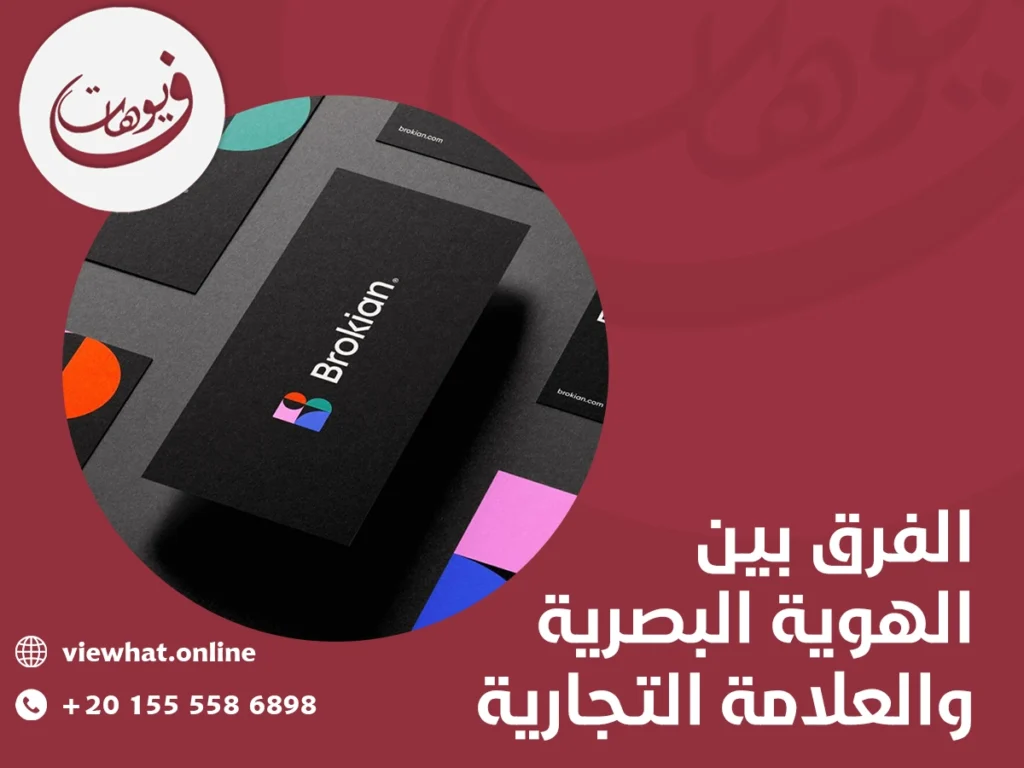
الفرق بين الهوية البصرية والعلامة التجارية

The difference between visual identity and branding

The difference between visual identity and branding lies in defining each concept separately. Visual identity refers to the visual aspect of a company. It includes elements such as logos, colors, fonts, and distinctive symbols that differentiate the company from others and give it a unique identity. Branding, on the other hand, is a broader concept. It represents a set of factors that include visual identity, as well as the values, culture, vision, and message that the company tries to convey to its audience and customers. Furthermore, visual identity can be considered part of branding, representing its visual face. However, branding extends beyond visual aspects to include many other factors that collectively shape the company's identity. Visual identity refers to the visual aspect of a company or product. It consists of visual elements such as logos, colors, fonts, and designs. Visual identity reflects the company's external image and contributes to defining its appearance and customer perception. The goal of visual identity is to create a distinctive and easily recognizable brand, enhancing visual memory for customers. Branding: A brand represents the overall and integrated identity of a company, encompassing its values, vision, principles, and the message it wishes to convey to customers. It includes many non-visual elements such as auditory, tactile, aromatic, and experiential elements. A brand reflects the company's identity and expresses its personality and distinctive characteristics. The goal of a brand is to build a long-term relationship with customers and foster overall brand loyalty. Visual identity focuses on visual elements such as the logo and colors, while a brand includes both visual and intellectual elements such as values and the message. Visual identity reflects the aesthetic aspect of the company, while a brand expresses its personality and standing in the minds of customers. Defining Visual and Intellectual Aspects: Visual identity primarily focuses on visual aspects such as the logo, colors, and fonts. A brand, on the other hand, encompasses intellectual aspects such as values, culture, and vision. Visual Aspects: Visual aspects include elements that can be seen and clearly identified; these are the factors that represent the visible side of the brand. These elements include logos, colors, graphic designs, and any other visual element used to represent the brand's visual identity. Defining these aspects aims to create a distinctive and attractive brand image. And to enhance its recognition and easy differentiation by customers and the target audience. Intellectual Aspects: Conversely, intellectual aspects include the values, principles, and vision that represent the rational and conceptual aspects of the brand. While these aspects relate to deeper and broader meanings than the visual aspects, they include the message the brand wishes to convey, the guiding principles it is based on, and the values the brand values and upholds. Defining these aspects also contributes to enhancing the audience's understanding of the brand and building a more interactive and influential relationship with it. Holistic Scope: Visual identity primarily refers to the visible and tangible elements of the company. A brand, on the other hand, encompasses all elements that represent the company's identity, including the invisible aspects. Importance of Holistic Scope: The importance of holistic scope lies in the brand's ability to define the company's identity and build a strong and distinctive image in the minds of customers and consumers. When a brand includes multiple aspects such as values, vision, and culture, it can interact better with the audience and build long-term relationships based on trust and loyalty. The impact of a holistic brand on customers: A holistic brand has a positive impact on customers, allowing them to easily recognize the company and understand its personality and values through the brand. This fosters a sense of belonging to these values and culture, increasing their connection to the company and their loyalty. The timescale: Visual identity may change over time to adapt to shifts in tastes and trends. Building a strong brand requires long-term effort and multiple strategies to cultivate trust and loyalty. A future vision of brand strength: In a rapidly changing business world, brand strength is essential for a company's long-term success and sustainability. A brand's timescale indicates its ability to survive and thrive over time, and its continuous and growing influence on the market and consumers. Interaction with the audience: Audiences primarily interact with the brand and its message. Interaction with a visual identity is more often a response to the design and visual elements. Active listening: Brands must be prepared to listen to customer feedback and suggestions seriously and effectively. Rapid Response: A brand should be ready to respond to customer inquiries and comments as quickly as possible to foster a sense of customer care and respect. Providing Added Value: Engaging with the audience can include providing helpful and value-added content to customers, whether through educational articles or practical tips. Overall Impact: A brand influences how the public perceives the company and their decisions to interact with it. Visual identity, on the other hand, may only be a factor in the initial impression without a profound impact on the customer's relationship with the brand. Continuity and Evolution: The continued influence of a brand depends on its ability to evolve and adapt to changes in the market and customer needs. Successful brands are those that remain fresh and vibrant, retaining the core elements that made them successful in the first place. Trust and Loyalty: Trust and loyalty contribute to enhancing the overall impact of a brand. When the public trusts a brand and remains loyal to it over time, its influence gradually increases and deepens in minds and hearts. Expressing Identity: Visual identity primarily expresses the aesthetic and visual aspects of the brand. While a brand expresses its personality, values, and vision, building differentiation involves identifying the factors that distinguish it from its competitors, whether these factors are visual, such as the logo and colors, or conceptual, such as values and vision. Building differentiation helps the brand achieve a distinctive position in the minds of customers and generate the desired interaction. Effective communication is a vital means of expressing identity, as it contributes to conveying the brand's message clearly and attractively. Communication must be aligned with the values and vision that the brand represents, whether through advertising, social media, or direct interaction with the audience. Distinguishing between visual identity and branding is crucial in understanding how to build and develop brands effectively. The difference between visual identity and branding refers to the variation in the elements that constitute each and the roles they play in defining the brand identity and communicating with the audience.

The difference between visual identity and branding Read More »

ماهي الهوية البصرية

What is visual identity?

What is visual identity? Visual identity is an essential part of our daily interaction with brands and organizations. It represents the visual image these entities project, expressing their personality and values. Visual identity conveys a specific message about the brand or organization, making it a vital element in building awareness and engaging with the audience. When we look at any brand or entity, we find that its visual identity comprises the visual elements that distinguish it from others. These elements include logos, colors, shapes, fonts, and images, which combine to create a visual experience for the brand or organization. Furthermore, focusing on building a strong visual identity is crucial for any brand seeking to stand out and attract attention. When visual identity is cohesive and harmonious, the audience can easily remember and quickly recognize it, fostering engagement and brand loyalty. Moreover, visual identity helps build a relationship with the audience by providing a distinctive and engaging visual experience. Thanks to the uniqueness and distinction it offers, visual identity contributes to the continuous building of a brand's or organization's identity and reputation, making it one of the most important elements of success in the world of business and marketing. The importance of visual identity design: While visual identity design goes beyond simply choosing a color or logo, it also visually and attractively conveys the brand's message and values. What is visual identity? Differentiating a brand from others is vital in a competitive market, as a unique visual identity can capture attention and attract potential customers. The logo is the primary visual element that distinguishes an organization. What is visual identity? It reflects its vision and values. A logo is typically simple and easily recognizable, featuring a unique design that sets the organization apart. What is visual identity? Colors are also a vital element of visual identity, as they convey the emotions and concepts associated with the brand. Furthermore, fonts play a significant role in enhancing an organization's identity, as they can reflect the organization's personality, whether traditional or modern. In addition, by using visual identity skillfully and consistently, an organization can build a strong and appealing image in the minds of its audience. Moreover, these elements can foster brand loyalty. What is a visual identity? It contributes to building lasting and strong relationships with customers. If implemented accurately, a visual identity becomes a key factor in building trust and loyalty to the brand, and it also contributes to achieving future success and sustainability. The impact of visual identity on the brand's first impression: Visual identity plays a crucial role in shaping the brand's first impression on the public. Here are some ways that visual identity design affects this first impression: Distinction and Uniqueness: Distinctive elements in the visual identity, such as the logo, colors, and fonts, help differentiate the brand from competitors and attract the public's attention. Professionalism and Quality: A well-designed visual identity conveys an impression of professionalism and quality, which reflects positively on the brand's reputation and inspires trust with potential customers. Consistency and Cohesion: Using the visual identity consistently across all points of contact with the public helps build a strong and unified brand image. Expression of Personality and Values: The visual identity design reflects the brand's personality and values, helping to convey a specific message and create an emotional connection with the target audience. User Experience: Visual elements contribute to improving the user experience, whether on websites, in applications, or even in product design, leading to a more positive brand impression. Emotional Response: A visual identity can evoke emotional impressions and engage the audience, leading to strong relationships and lasting trust. In general, a brand's visual identity design plays a crucial role in creating a first impression and can significantly impact how the audience receives and interacts with the brand. Strategies for Developing a Visual Identity: Developing a visual identity requires well-defined and carefully considered strategies to ensure the brand is represented effectively and distinctively. Here are some strategies that can be followed to successfully develop a visual identity: Understanding the Brand and Target Audience: Before starting to develop a visual identity, it is essential to fully understand the brand, including its values, mission, and personality. Study and analyze the target audience to ensure that the visual identity meets their needs and preferences. Understanding the Brand: Study the brand's history, vision, and mission. Analyze the brand's values and the message it wants to convey to customers and the community. Examine the features and benefits of the products or services offered by the brand. Evaluate brand reputation and review lessons learned from past experiences. Define personality and stance: Identify the brand personality, which are the unique qualities that distinguish and express it. Define the brand stance, which is the visual identity—the issues and values it believes in and supports. Study the target audience: Identify target demographics, such as age, gender, and geographic location. Understand the needs, desires, problems, and challenges of the target audience. Analyze purchasing behavior, consumption patterns, and cultural and social trends. Identify key elements: Identify the key elements of the visual identity, such as the logo, colors, fonts, and identifying symbols. In the brand development process, these elements represent the brand and enhance its recognition among the audience. Logo: The logo is a visual symbol that represents the brand. It should be simple, easy to use, and easily recognizable. The logo is used in various applications, including printed materials, websites, and advertisements. Colors: Identify a set of primary colors that represent the brand. The colors should be harmonious, reflect the brand personality, and suit its target audience. Colors are used in all visual elements of the brand, such as logos, promotional materials, and websites. Differentiation and Uniqueness: Ensuring the visual identity is distinctive and sets the brand apart from its competitors. Using design elements uniquely expresses the brand's personality and attracts attention. Flexibility and Evolution: Designing a visual identity that is scalable and applicable across various media and platforms. Improving the visual identity over time to adapt to market changes and audience needs. Evolution: The visual identity must evolve to keep pace with market changes, whether they are changes in design trends or changes in audience needs. Visual identity elements can be updated over time to reflect the brand's evolution, such as updating the logo, changing colors, or developing brand symbols. The evolution process should be strategic and well-thought-out, while preserving the core elements that distinguish the brand and enhance its recognizability. Engaging with the Audience: It is important to involve the audience in the visual identity development process and listen to their feedback and comments. Continuous interaction with the audience helps in understanding their needs and ensuring the design better addresses those needs. Feedback from the audience can be used to improve the visual identity and ensure its continuity and adaptability to market developments.

What is visual identity? Read More »

طرق تسويق الإلكتروني الناجحة

Successful e-marketing methods

Successful digital marketing strategies are key to success for any business striving for excellence. Success in digital marketing depends on using the right methods and tools, while marketers consider the location of their target audience. The modern technological age and continuous advancements in digital marketing allow us to employ diverse and effective approaches to reach potential customers. Successful digital marketing is fundamental to achieving success in digital marketing operations. When appropriate strategies are implemented and data is analyzed accurately, the desired results are achieved significantly. Furthermore, thorough research and analysis of customer behavior and preferences, along with past successes, can be valuable tools for improving current digital marketing strategies. The importance of successful digital marketing lies in its crucial role in the success of any online business in the modern era. Understanding and correctly applying these methods can yield remarkable results for both companies and individuals. 1. Achieving Broad Reach: Successful digital marketing methods enable companies to reach a wider audience through the use of digital communication channels. Successful digital marketing methods also allow marketing messages to reach potential customers worldwide quickly and easily. Keyword Research: Before starting any marketing strategy, you must understand how people search online for your products or services. Research keywords relevant to your business and use them strategically in your website, blog, and social media content. Search Engine Optimization (SEO): Achieving broad reach isn't limited to paid advertising. Search engine optimization (SEO) is also essential. Optimize your website structure, choose the right keywords, improve loading speed, and create high-quality content to improve your search engine rankings. Effective Social Media Use: Social media is one of the most important tools for achieving broad reach. Create accounts on platforms like Facebook, Instagram, Twitter, and LinkedIn, and publish engaging and diverse content to attract a wide audience. Also, take advantage of paid advertising options on these platforms to further expand your reach. 2. Increase Engagement: By using successful digital marketing methods, businesses can achieve high levels of audience engagement. Through digital channels, customers can interact directly with content and provide feedback and comments. Create valuable and engaging content: Creating engaging and valuable content is fundamental to increasing engagement. Create content that meets the needs of your target audience and sparks their interest, whether through articles, videos, images, or infographics. Leverage the power of social media: Social media is one of the most powerful tools for increasing engagement. Build a strong presence on platforms like Facebook, Instagram, Twitter, and LinkedIn, and be active regularly by sharing engaging content and interacting with your followers. Provide quick and responsive responses: Be quick to respond to customer comments and inquiries via social media and email. It also interacts with the audience effectively and authentically, helping to build positive relationships and increase engagement levels. 3. Cost Savings: Compared to traditional marketing, successful digital marketing is also more cost-effective. Businesses can achieve positive results with a limited marketing budget, and it also enhances the ability to achieve a higher return on investment. Leveraging Content Marketing: Content marketing is one of the most cost-effective methods in digital marketing. Create useful and engaging content to attract your target audience, such as articles, blog posts, and videos, without needing to spend a lot of money. Leveraging Social Media: Social media is also an effective and low-cost marketing tool. Create pages on platforms like Facebook, Instagram, Twitter, and LinkedIn for free, and be active regularly by sharing engaging content and interacting with your followers. Leveraging Email Marketing: Email marketing can save on direct costs, as you can send promotional messages, newsletters, and special offers to attract customers at low costs. How to Achieve Success with Digital Marketing: While there are many ways to implement digital marketing, here are some key points to consider: 1. Use Engaging Content: The content you provide should be interesting and valuable to your target audience. This can include articles, videos, images, contests, and promotions. 2. Understand Your Target Audience: Before creating any content, you must thoroughly understand your target audience. Discover their interests, problems, and needs, and use this knowledge to tailor your content to meet their expectations and pique their interest. 3. Diversify Content Types: Use a variety of content types such as articles, videos, images, infographics, and interactive materials like surveys and questionnaires. This helps to capture the audience's attention and address different needs. 4. Effective Use of Images and Videos: Images and videos are among the most engaging types of content online. Use them to grab your audience's attention and deliver your message visually and attractively. 5. Social Media Presence: Wherever your audience is, your company should be present. Companies should also develop marketing strategies for each social media platform that suit their target audience. 1. Building strong customer relationships: Social media provides a unique platform for building strong customer relationships. Through continuous and direct interaction, you can better understand their needs and expectations and provide them with better service, thus enhancing brand loyalty. 2. Increasing brand awareness: By publishing engaging and informative content on social media platforms, you can significantly increase brand awareness. Shared content can reach a wider audience and contribute to strengthening your brand image among your target audience. 3. Generating website traffic: By having a presence on social media, you can drive significant traffic to your website. You can use your social media posts and ads to direct your target audience to your product or service pages on your website. 4. Improving audience engagement and participation:

Successful e-marketing methods Read More »

انشاء متجر الكتروني

Creating an online store

Creating an online store has become one of the most essential steps entrepreneurs and business owners take in the modern digital age to expand their reach and increase their access to customers online. An online store is a fundamental tool for presenting products and services in an innovative and accessible way, allowing customers a convenient and enjoyable shopping experience. Creating an online store is a comprehensive and multifaceted process that requires numerous steps and preparations. While this process may seem complex at first, utilizing available tools and resources can make it run smoothly and efficiently, provided there is a strong will to succeed. Anyone can successfully begin their journey to creating an online store, starting with identifying the products or services to be offered, choosing the appropriate e-commerce platform, and designing an attractive and user-friendly storefront. These steps are an essential part of the creation process. The importance of creating a website: Creating a website is extremely important for many reasons. Here are some reasons that highlight the importance of creating a website: Online presence: In the modern technological age, the internet is the primary destination people turn to in search of information, products, and services. By creating a website, you maintain constant contact with your target audience. Reaching a wide audience: The internet allows a business to reach a massive audience of people worldwide, increasing the chances of finding new customers and boosting revenue. 24/7 availability: Customers can access business information and services around the clock without time restrictions, making it easier for them to get information and make purchases whenever it suits them. Improved communication and relationship building: Social media, email, and websites can be used to interact with customers directly, building strong relationships and lasting trust. Cost savings: An online business presence helps save on the additional costs associated with running physical stores, such as rent, energy costs, and labor. Increased reach: Your website can reach a wide audience, including people living in remote areas. This allows you to increase your chances of finding new customers and expanding your existing customer base. Improved trust and credibility: A website is an important indicator of credibility for many customers. When people find your website professional, with comprehensive information and smooth communication, they tend to trust you more. Direct communication and quick response: Customer inquiries and problems should be addressed quickly, whether via email, social media, or live chat. This demonstrates your commitment to customer experience and builds trust. Quality content: Create helpful, high-quality content based on your expertise and knowledge in the field. This showcases your experience and professionalism, enhancing brand credibility. Social media presence: In addition to your website, social media can be used to build credibility by engaging with customers and sharing quality content. Transparency in policies and processes: Policies and processes should be well-defined and trustworthy, and transparency in how you conduct business and interact with customers should be maintained. Effective marketing: Your website can be used as an effective marketing tool. You can publish information about your products and services, offer special deals, and run targeted advertising campaigns to increase brand awareness and boost sales. Convenience and quick access: Your website allows customers to easily access your products or services at any time of day, without needing to visit physical stores. Simple and user-friendly interface: The browsing and shopping process on your website should be easy and straightforward, without any complications or obstacles that hinder the user experience. Effective Search and Filtering Options: An online store should offer advanced search tools and filtering options so customers can quickly and easily find products according to their specific needs. Comprehensive Information: An online store should provide comprehensive information about your products or services on your website, helping customers make informed decisions and increasing the chances of completing transactions. In short, creating a website is a fundamental step for any business seeking success in the modern digital age, offering tremendous opportunities to increase reach, improve customer experience, boost sales, and build customer relationships. Designing and Customizing Your Online Store Website: Designing and customizing an online store website is a crucial step to ensure an excellent user experience and achieve your online business goals. Here are some tips on how to design and customize an online store website: Choosing an E-commerce Platform: Select a reliable e-commerce platform that suits your business needs, such as Shopify, WooCommerce, Magento, or BigCommerce. Evaluate the features of each platform and choose the best one based on your business requirements and budget. Shopify: One of the most popular platforms for creating online stores, it is easy to use, customizable, and offers a wide range of features and plugins. WooCommerce: Based on WordPress, it is free and open-source, offering great flexibility and full customization. Magento: A powerful and advanced platform suitable for large stores, offering many advanced features, but it requires strong technical skills. Page Layout and Design: Design and layout your store pages creatively and with a user-friendly experience. Consider the design of the homepage, product pages, category pages, shopping cart pages, and checkout page. Site Structure: Determine how the pages will relate to each other, including the homepage, product pages, category pages, shopping cart pages, and checkout pages. User Interface (UI) Design: Choose a design that is easy to use and visually pleasing, ensuring the use of appropriate colors and easy-to-read fonts. User Experience (UX): Ensure a smooth and easy user experience, including fast and easy navigation and an interactive interface. Design Customization: Customize the design to match the brand identity and reflect its values. Choose harmonious colors, appropriate fonts, and innovative designs that make the site attractive and distinctive. User Experience Optimization: Make browsing easy and smooth for users through a simple and clear user interface. Design the site to be responsive across different screen sizes and device types. Improve loading speed: Ensure your website pages load quickly for a smooth and convenient user experience. Compress images, reduce the number of HTTP requests, and use reliable servers to improve loading speed. Image compression: Use image compression tools to reduce image size without affecting quality. You can use online tools like TinyPNG or software tools like Adobe Photoshop to compress images. Use a CDN (Content Distribution Network): A CDN uses a network of geographically distributed servers to efficiently distribute and deliver content at the fastest speed. Services like Cloudflare and Amazon CloudFront offer CDN solutions. Reduce server response times:

Creating an online store Read More »

Home
Previous work
Articles
Contact us