Views
Home » فوائد التسويق الإلكتروني

فوائد التسويق الإلكتروني

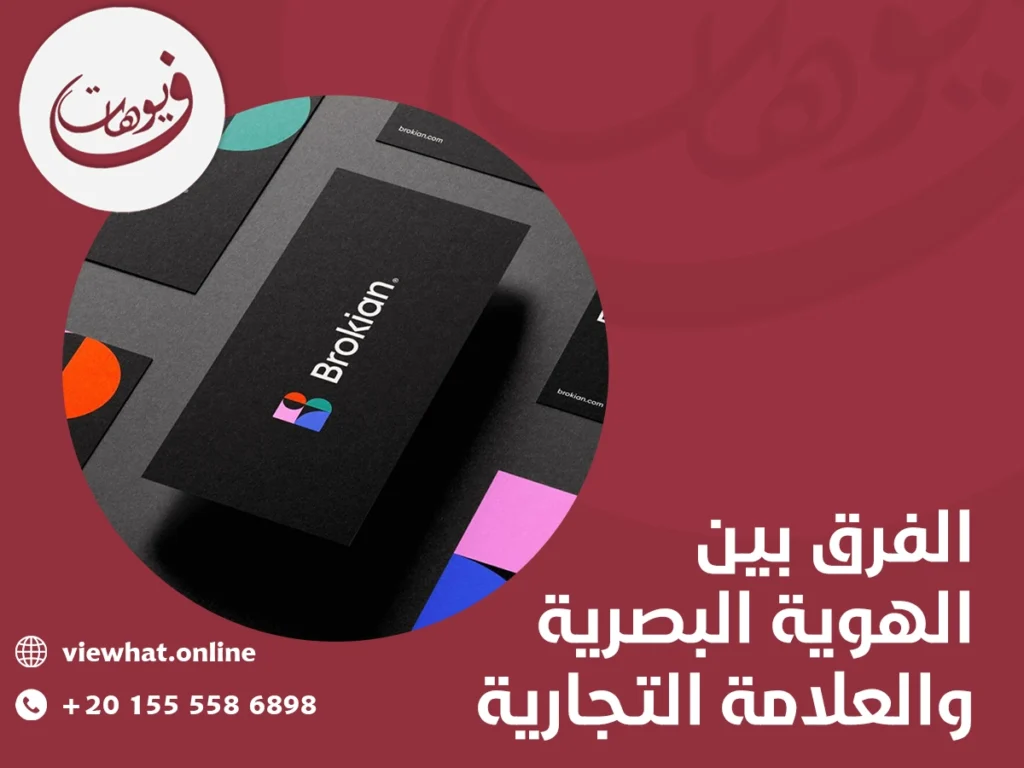
الفرق بين الهوية البصرية والعلامة التجارية

The difference between visual identity and branding

The difference between visual identity and branding lies in defining each concept separately. Visual identity refers to the visual aspect of a company. It includes elements such as logos, colors, fonts, and distinctive symbols that differentiate the company from others and give it a unique identity. Branding, on the other hand, is a broader concept. It represents a set of factors that include visual identity, as well as the values, culture, vision, and message that the company tries to convey to its audience and customers. Furthermore, visual identity can be considered part of branding, representing its visual face. However, branding extends beyond visual aspects to include many other factors that collectively shape the company's identity. Visual identity refers to the visual aspect of a company or product. It consists of visual elements such as logos, colors, fonts, and designs. Visual identity reflects the company's external image and contributes to defining its appearance and customer perception. The goal of visual identity is to create a distinctive and easily recognizable brand, enhancing visual memory for customers. Branding: A brand represents the overall and integrated identity of a company, encompassing its values, vision, principles, and the message it wishes to convey to customers. It includes many non-visual elements such as auditory, tactile, aromatic, and experiential elements. A brand reflects the company's identity and expresses its personality and distinctive characteristics. The goal of a brand is to build a long-term relationship with customers and foster overall brand loyalty. Visual identity focuses on visual elements such as the logo and colors, while a brand includes both visual and intellectual elements such as values and the message. Visual identity reflects the aesthetic aspect of the company, while a brand expresses its personality and standing in the minds of customers. Defining Visual and Intellectual Aspects: Visual identity primarily focuses on visual aspects such as the logo, colors, and fonts. A brand, on the other hand, encompasses intellectual aspects such as values, culture, and vision. Visual Aspects: Visual aspects include elements that can be seen and clearly identified; these are the factors that represent the visible side of the brand. These elements include logos, colors, graphic designs, and any other visual element used to represent the brand's visual identity. Defining these aspects aims to create a distinctive and attractive brand image. And to enhance its recognition and easy differentiation by customers and the target audience. Intellectual Aspects: Conversely, intellectual aspects include the values, principles, and vision that represent the rational and conceptual aspects of the brand. While these aspects relate to deeper and broader meanings than the visual aspects, they include the message the brand wishes to convey, the guiding principles it is based on, and the values the brand values and upholds. Defining these aspects also contributes to enhancing the audience's understanding of the brand and building a more interactive and influential relationship with it. Holistic Scope: Visual identity primarily refers to the visible and tangible elements of the company. A brand, on the other hand, encompasses all elements that represent the company's identity, including the invisible aspects. Importance of Holistic Scope: The importance of holistic scope lies in the brand's ability to define the company's identity and build a strong and distinctive image in the minds of customers and consumers. When a brand includes multiple aspects such as values, vision, and culture, it can interact better with the audience and build long-term relationships based on trust and loyalty. The impact of a holistic brand on customers: A holistic brand has a positive impact on customers, allowing them to easily recognize the company and understand its personality and values through the brand. This fosters a sense of belonging to these values and culture, increasing their connection to the company and their loyalty. The timescale: Visual identity may change over time to adapt to shifts in tastes and trends. Building a strong brand requires long-term effort and multiple strategies to cultivate trust and loyalty. A future vision of brand strength: In a rapidly changing business world, brand strength is essential for a company's long-term success and sustainability. A brand's timescale indicates its ability to survive and thrive over time, and its continuous and growing influence on the market and consumers. Interaction with the audience: Audiences primarily interact with the brand and its message. Interaction with a visual identity is more often a response to the design and visual elements. Active listening: Brands must be prepared to listen to customer feedback and suggestions seriously and effectively. Rapid Response: A brand should be ready to respond to customer inquiries and comments as quickly as possible to foster a sense of customer care and respect. Providing Added Value: Engaging with the audience can include providing helpful and value-added content to customers, whether through educational articles or practical tips. Overall Impact: A brand influences how the public perceives the company and their decisions to interact with it. Visual identity, on the other hand, may only be a factor in the initial impression without a profound impact on the customer's relationship with the brand. Continuity and Evolution: The continued influence of a brand depends on its ability to evolve and adapt to changes in the market and customer needs. Successful brands are those that remain fresh and vibrant, retaining the core elements that made them successful in the first place. Trust and Loyalty: Trust and loyalty contribute to enhancing the overall impact of a brand. When the public trusts a brand and remains loyal to it over time, its influence gradually increases and deepens in minds and hearts. Expressing Identity: Visual identity primarily expresses the aesthetic and visual aspects of the brand. While a brand expresses its personality, values, and vision, building differentiation involves identifying the factors that distinguish it from its competitors, whether these factors are visual, such as the logo and colors, or conceptual, such as values and vision. Building differentiation helps the brand achieve a distinctive position in the minds of customers and generate the desired interaction. Effective communication is a vital means of expressing identity, as it contributes to conveying the brand's message clearly and attractively. Communication must be aligned with the values and vision that the brand represents, whether through advertising, social media, or direct interaction with the audience. Distinguishing between visual identity and branding is crucial in understanding how to build and develop brands effectively. The difference between visual identity and branding refers to the variation in the elements that constitute each and the roles they play in defining the brand identity and communicating with the audience.

The difference between visual identity and branding Read More »

شركة تصميم مواقع في طنطا

Website design company in Tanta

Website design in Tanta: Website design is essential for effectively reaching your target audience. The mission of a website design company in Tanta is to meet the needs of both local and global businesses. The website is the first digital interface where a potential customer encounters your company and services. While a website design company in Tanta works to realize its clients' vision, it prioritizes quality and innovation. Wherever the idea is, the company is ready to transform it into a unique and impressive digital experience that attracts customers and strengthens your position in the competitive digital market. The foundations of a website design company in Tanta: The web has become one of the most important communication and marketing tools for companies and individuals in the modern digital age. Therefore, the website design market is witnessing remarkable growth, with many seeking to establish website design companies that serve the needs of both individuals and companies. In this article, we will look at the basic foundations that must be considered when establishing a website design company in Tanta. 1. Thorough Analysis and Research: While the website design market may seem saturated, there are always new opportunities. Entrepreneurs should begin by thoroughly analyzing the local market in Tanta. A feasibility study is recommended to understand the needs of potential customers and market competitors. Analysis: Before anything else, entrepreneurs should conduct a comprehensive analysis of the local web design market and industry in Tanta. This analysis includes understanding current trends in web design, current and future demand for design services, market competitors, and the market's strengths and weaknesses. This analysis can help guide the company's direction and define its strategies. Extensive Research: Following the initial analysis, extensive research based on available data and information should be conducted. This research can include academic studies, market reports, interviews with potential clients, and surveys. The goal of this extensive research is to broaden the company's understanding of its target market and its needs, identify effective opportunities, and pinpoint potential challenges. 2. Identifying the Target Segment: Identifying the target audience also facilitates the company's marketing and the development of effective marketing strategies. It is advisable to define a specific area of web design as the company's specialization, whether it be personal websites, commercial websites, or mobile applications. Market Research: The company team must first conduct a thorough market study to understand the existing opportunities and challenges. This includes examining the competition, analyzing the needs of potential customers, and evaluating current trends in the web design industry. Defining the Demographic Group: The demographic groups that best suit the company's services must be identified, such as small businesses or individuals looking for personal websites or blogs. Analyzing Needs and Desires: The needs and desires of the target segment must be precisely understood. Do they prefer simple or complex designs? Are speed and performance important to them, or aesthetics? 3. Building Identity and Brand: Furthermore, building identity and brand is vital to the company's success. An attractive and distinctive logo that represents the company's vision and values must be designed. Similarly, a distinctive website should be created that reflects the company's web design skills and creativity. Defining the Visual Identity: This includes visual elements such as the logo, colors, fonts, and images that represent the company's identity. These elements must be harmonious with each other and express the company's personality. Defining the Strategic Message: The strategic message that the company wants to convey to customers, reflecting its values and vision, must be defined. Applying the identity across all channels: The company's identity and brand should be present across all its marketing and communication channels, including the website, social media, and marketing materials. 4. Investing in talent and technology: The company should attract outstanding talent in website design and web development. It should also stay up-to-date with the latest technological advancements and adopt the most recent tools and techniques in its design processes. Hiring top talent: The company should attract and hire highly skilled and experienced designers and developers in the field of website design and development. Training and development: The company should provide ongoing training programs for its employees to develop their skills and keep them abreast of the latest developments in website design. Using modern technology: The company should invest in the latest available technologies and tools to design and develop websites effectively and efficiently. The importance of professional design: How does professional design affect user interaction with the website? The importance of a smooth and engaging user experience in achieving the company's goals. Improving the first impression: The website's homepage or the home screen of the website design company in Tanta is the point where the user gets their first impression. A professional design should be attractive and inspiring to encourage the user to stay and explore further. Building Trust and Credibility: Professional design reflects the seriousness and credibility of a brand or platform. Users feel confident and comfortable when they see a distinctive and organized design, making them more likely to engage with the content. User Guidance and Goal Achievement: Professional design should be geared towards achieving specific goals, such as increasing sales or attracting more visitors. By strategically using design elements, users can be guided to take the desired actions. Enhancing Engagement: An attractive interface design and high-quality content encourage users to interact and engage more. With easy access to tools and features and a pleasant user experience, engagement and brand loyalty can be enhanced. How to Build Trust and Credibility: Transparency and Honesty: Companies must be transparent and honest in all their dealings with customers. If a customer feels that information is being hidden or inaccurate, they will lose trust in the brand. Providing Real Value: Companies must provide real value to customers through high-quality products or services that effectively meet their needs. Quick and professional response: Companies should be able to respond quickly to customer inquiries and needs in a professional and friendly manner. Building long-term relationships: Enhancing interaction and engagement: How can professional design increase content engagement? The importance of interactive elements and their skillful design to attract users. How to boost interaction and engagement: Providing valuable content: Brands should offer value-added content that responds to customer needs and interests, encouraging interaction and engagement. Encouraging social media engagement: Brands can encourage interaction and engagement across social media platforms by asking questions, conducting surveys, and responding to comments. Holding interactive events and competitions: Organizing interactive events and competitions can be an effective way to capture customer attention and encourage participation. Listening to feedback: Brands should be willing to listen to and effectively address customer opinions, which enhances interaction and deepens relationships. Improving navigation and accessibility: How can professional design improve navigation and accessibility?

Website design company in Tanta Read More »

هل تبحث عن شركة حلول تسويقية

Are you looking for a marketing solutions company?

Are you looking for a marketing solutions company? Of course, finding a marketing solutions company requires a lot of effort and time. Wherever you are in this complex landscape, you must be aware of the challenges and the constant changes in the marketing environment. But once you find a company like Viewat, you'll feel relaxed and confident. All you have to do is entrust the marketing of your products or services to someone who knows how to handle it effectively. You should also consider the experience and proven track record of the company you're considering. Furthermore, you should ensure that the company has a deep understanding of your target audience and utilizes the latest technologies and methods in its marketing process. In addition, the company you choose needs to specialize in providing integrated marketing solutions. It should be able to meet all your needs, whether in digital marketing, social media marketing, or even traditional marketing. In short, finding a marketing solutions company is not an easy task. It requires time, effort, and careful research. However, by carefully researching and choosing the right company, you can be confident that the marketing of your products or services will be in the hands of professionals who understand your needs precisely. Discover how to choose the right company for your needs. Wherever you are in the marketing world, you'll realize that not all companies are created equal in the quality of services they offer. Some companies excel at providing innovative and advanced marketing solutions, while others offer services at a lower level of efficiency. Choosing the right marketing solutions company is a crucial step in your business success journey. This company will help you connect with your target audience effectively and achieve your marketing goals successfully. Define your marketing needs: Before looking for a marketing solutions company, you must clearly define your marketing goals and needs. Do you need to increase brand awareness? Define your marketing objectives: Determine the goals you want to achieve through your marketing campaign. Do you want to increase sales? Or do you aim to build brand awareness? Perhaps you are looking to increase the number of potential customers? Define your target audience: Identify the target group of customers or consumers you want to reach. Is your target audience a specific age group? Or a specific type of industry? Or do they share specific interests or inclinations? SWOT Analysis: Evaluate the strengths and weaknesses of your current marketing efforts. What strategies are working well and achieving positive results? What areas need improvement or development? Research and Evaluation: Find companies specializing in marketing solutions that align with your needs. Evaluate each company's track record and experience, and review their past work. Ongoing Research: Search online and use search engines to find marketing companies in your region or industry. You can also review customer ratings and reviews to assess the reputation of potential companies. Business Tracking: Check the business history and success story of each potential marketing company. Look for companies with experience and a proven track record of providing the services you are seeking. On-Site Research: Contact potential companies directly and request quotes and consultations. You can also visit their offices and speak with team members to better understand how they operate and deliver their services. Strategy and Methodology Analysis: Examine the marketing strategies offered by the company, analyzing how they have been implemented and their effectiveness in the past. These strategies might include, for example, online advertising, social media marketing, email marketing, and trade marketing. Evaluate Alternatives and Select Strategy: Based on an analysis of the external and internal environment, evaluate the available alternatives and select the best strategy that meets the defined objectives. Implement Strategy: After deciding on the strategy, a detailed implementation plan must be developed, outlining the objectives and the steps required to achieve them. Monitor and Evaluate Performance: The company must regularly monitor its progress and evaluate the strategy's performance to ensure it achieves the desired results and adapts to any changes in the external or internal environment. Financial Fit: Determine your available marketing budget and verify that the company you are considering offers services that fit within your budget. Revenue: The company must generate sufficient revenue to cover production and operating costs, as well as to generate a profit. Costs and Expenses: The company must control costs and expenses so they do not exceed its revenues, and these costs must be proportionate to the company's operating activity and objectives. Capital Management: The company must manage capital effectively, including cash flow management and improving diversification of funding sources. Consult with Past Clients: Request the company to provide a list of past and present clients and contact them to obtain their feedback on the quality of services and their overall experience with the company. Implement Improvements: Implement the proposed improvements based on the business plan, track their implementation, and evaluate their results. Contacting Existing Clients: Once improvements are implemented, contact existing clients to inform them of the enhancements and attract them back. Ongoing Evaluation: Regularly assess customer response and the impact of improvements, and continue to refine the service or product based on feedback. Negotiation and Agreement: After selecting the right company, negotiate the contract terms and the specific details of the services provided. Ensure a written agreement outlining all terms and details is in place. Furthermore, choosing the right company should be based on specific and logical criteria. This involves carefully studying the available options, analyzing each company's experience and track record, and considering their available marketing budget and its alignment with the company's specific services. You should also consult with the company's previous clients. Evaluating their experiences will give you a clearer picture of the company's effectiveness in delivering marketing solutions. While figuring out how to choose the right company for your needs requires time and effort, it's a crucial step to ensuring your marketing success and standing out from the competition. Look for a Marketing Company that Embraces the Latest Technological Advancements: When searching for the right company, focus on those offering integrated marketing services that leverage cutting-edge technologies. Wherever you find a marketing company that offers comprehensive solutions integrating both traditional and digital strategies successfully, you'll be well on your way to achieving your marketing goals. It's also essential to seek out a marketing company that fully understands how to leverage technology to enhance customer experience and boost engagement. Furthermore, the company should be able to guide you toward using technology in an innovative and effective way, as technology plays a vital role in improving marketing campaign results. Staying informed about technological trends is crucial. Companies must be aware of the latest technological advancements to remain ahead and achieve sustainable success in customer interaction and marketing objectives. Rapid technological change is also a key factor, as the world is witnessing rapid and continuous development in the field of technology.

Are you looking for a marketing solutions company? Read More »

ما المقصود بالتجارة الالكترونية

What is meant by e-commerce?

What is e-commerce? E-commerce is a business activity conducted electronically using modern technology. Goods and services are exchanged via the internet or any other digital network. This industry is characterized by providing a flexible and extensive platform that enables individuals and companies to conduct business anytime, anywhere in the world. While e-commerce encompasses a wide range of commercial activities, its essence lies in commercial transactions conducted electronically. Wherever we go, we find that e-commerce has become an integral part of our daily lives. Consumers are increasingly shopping online, and companies are expanding their operations to encompass the entire global market. The term e-commerce refers to the shift from traditional buying and selling processes to internet platforms and digital applications. With the development and widespread adoption of technology, e-commerce operations have become fundamentally dependent on the internet to reach customers and expand sales. Furthermore, e-commerce offers tremendous opportunities for individuals and companies to expand and grow in the global market, while also facilitating the buying and selling process for customers and providing them with a convenient and innovative shopping experience. Furthermore, what is meant by e-commerce? E-commerce offers opportunities for integration between various economic sectors, where companies can collaborate online to develop new products or provide integrated services. It is clear, therefore, that the concept of e-commerce is not limited to online buying and selling. It also encompasses profound transformations in the way businesses are organized and marketed, making it a central pillar of contemporary global trade. The importance of e-commerce in developing the digital economy: E-commerce is a key driver of the shift towards a digital economy and the promotion of economic growth. Thanks to its vital role in empowering businesses and expanding commercial opportunities, e-commerce plays a pivotal role in developing the digital economic infrastructure and fostering innovation and sustainability. 1- Achieving economic growth: E-commerce is considered one of the most prominent drivers propelling the digital economy forward. It provides new opportunities for businesses and companies, both small and large, to grow and expand by accessing new markets and achieving greater sales. 2- Promoting innovation and creativity: E-commerce contributes to fostering innovation and creativity by providing a dynamic competitive environment that motivates companies to develop new products and services and improve operational processes, thus enhancing competitiveness and contributing to the sustainable development of the digital economy. 3- Empowering SMEs: E-commerce plays a significant role in enabling SMEs to access global markets. These companies can now easily interact with customers and partners worldwide, enhancing their position and contributing to the overall development of the digital economy. The impact of e-commerce on traditional and digital business models: E-commerce represents a radical transformation in how companies and institutions are organized and operated. Here's a breakdown of its impact: A shift in traditional marketing and sales methods. E-commerce transforms traditional business models from marketing and selling products and services in physical stores to marketing and selling them online. This shift allows companies to reach a wider audience and expand their customer base. Changes in customer and consumer experiences. With the emergence of e-commerce, the shopping and purchasing experience changes dramatically. Customers can now easily browse and purchase products and services using computers or smartphones anytime, anywhere. Reduced costs and increased efficiency. E-commerce reduces operational costs for companies by eliminating the need for physical stores and lowering administrative expenses. It also helps increase efficiency by using technology to streamline internal processes and improve customer experience. Modernization of digital business models. The success of e-commerce lies in modernizing and developing digital business models, including websites, smartphone applications, customer relationship management (CRM) systems, and other technological tools. This leads to increased competitiveness and innovation. The shift towards e-commerce compels companies to innovate and develop their business models to keep pace with technological advancements and meet customer expectations. This enhances competitiveness and contributes to the overall development of the digital economy. Furthermore, e-commerce fosters innovation and creativity. In addition to increasing operational efficiency, it stimulates innovation and empowers companies to offer new solutions within the digital economy. The historical development of e-commerce began as a rudimentary concept in the early 1960s, when the ARPANET military network was used to transfer data between universities and military institutions in the United States. With the development of the internet in the 1980s, the first attempts at e-commerce emerged, utilizing email and online money transfers. Before the internet and the 1990s, e-commerce was initially limited to data exchange between institutions, governments, and universities, relying on limited networks like ARPANET. Early forms of e-commerce involved data exchange and communication, and concepts like online shopping were nonexistent. The Rise of the Internet and E-commerce in the 1990s: With the internet becoming widely available in the 1990s, companies began using websites to showcase their products and services. The first experiments in online shopping, or e-commerce, emerged, initially focused on selling books, music, and computer software. Growth and Development at the Beginning of the 21st Century: The early 21st century witnessed a significant boom in e-commerce. Technologies expanded and evolved, providing businesses and individuals with broader opportunities to buy and sell online. Electronic payment services also began to grow, facilitating online purchases. The Modern Era and the Digital Transformation: In recent years, e-commerce has undergone a radical transformation with the development of artificial intelligence, big data analytics, and social media technologies. These technologies have played a major role in enhancing the online shopping experience and increasing trust in e-commerce. The Future and Innovation: E-commerce continues to evolve in the future. With technological advancements and the emergence of new technologies such as virtual reality e-commerce and the anticipated increase in smartphone use for online shopping, the future and innovation are closely intertwined. Innovation is the primary driver of future development and change. In this way, e-commerce was not just a one-off phenomenon, but a long evolutionary path with changing technology and the evolving needs and expectations of customers and businesses. E-commerce operations include several activities: selling products. Businesses can sell their products directly through websites, whether these websites are their own online stores or through e-commerce platforms like Amazon and eBay. Providing services. Businesses can also offer services online, such as online hotel and flight bookings, or providing online consultations. Online consulting and training:

What is meant by e-commerce? Read More »

شركات التسويق الإلكتروني بطنطا

Electronic Marketing Company in Tanta

Digital Marketing Companies in Tanta: While Tanta enjoys a significant strategic and economic position in Egypt, it is known for its dynamism and diverse economic activities. In this context, digital marketing plays an increasingly important role in boosting business and investment in the region. Here are some key aspects of digital marketing in Tanta: Market Expansion: Digital marketing can contribute to expanding the customer base and accessing new markets for products and services offered in Tanta. Strengthening Local Businesses: Digital marketing provides an opportunity for local businesses to enhance their digital presence and build an online identity. Enhancing Brand Awareness: Digital marketing can increase awareness of local brands and highlight the competitive advantages of companies. Encouraging Entrepreneurship and Innovation: Moreover, Tanta's vibrant environment provides a good platform to support entrepreneurship and innovation. Digital marketing can also encourage the emergence and development of small businesses and new projects. Improving Logistics: Logistics services in Tanta can be improved through the use of digital marketing, as well as by improving product distribution and facilitating online purchasing. Leveraging Technology: Digital marketing encourages the use of modern technology in business, thus enhancing efficiency and innovation. Stimulating Digital Tourism: E-marketing can enhance Tanta's appeal as a tourist destination by promoting cultural and economic events and activities. Guiding Youth Towards Entrepreneurship: E-marketing encourages entrepreneurship among young people and contributes to building an innovative, entrepreneurial society. In this way, e-marketing can play an effective role in promoting the sustainability and prosperity of businesses in Tanta, contributing to the development of the local economy and providing additional job opportunities. E-marketing in Tanta: A Pillar of Business Success. Tanta, located in the heart of Egypt, is a vibrant urban center and no exception to the benefits of e-marketing for businesses. In the age of technology, digital marketing strategies have become indispensable for businesses to enhance their presence and expand their customer base. Tangible Benefits of E-marketing in Tanta: Wider Reach While Enhancing Local Presence: E-marketing provides businesses in Tanta with wider reach to target diverse audiences while maintaining their local presence and influence. Targeting Specific Segments: Thanks to the use of digital marketing techniques, businesses in Tanta can effectively target specific customer segments. Enhancing Social Media Connections: Through social media platforms, businesses in Tanta can build strong relationships with customers and interact with them directly. Improving Customer Experience: Furthermore, digital marketing enables businesses in Tanta to enhance the customer experience by offering personalized content and advanced services. Successful Digital Marketing Strategies: Building an Effective Website: A website is a cornerstone of any digital marketing campaign, reflecting the brand identity and providing an effective user experience. Social Media Engagement: Businesses should also invest in effective communication across social media platforms to build an online community and foster engagement. Leveraging Digital Search Technologies: The effective use of search technologies improves customer visibility and increases the chances of finding the company through search engines. Expected Challenges and How to Overcome Them: Intense Competition: In addition to the opportunities, businesses in Tanta must differentiate themselves by offering unique value and setting themselves apart from competitors. Evolving Technology: Digital marketing requires continuous monitoring of technological advancements and the integration of new technologies into marketing strategies. While digital marketing in Tanta presents an inspiring challenge, it also offers tremendous opportunities for businesses to achieve success. By adopting effective strategies and adapting to challenges, businesses in Tanta can capture public attention and achieve sustainable growth in the digital age. How do you create a successful digital marketing campaign in Tanta? In the age of technology and digital communication, digital marketing has become a vital tool for boosting businesses in Tanta. We will also look at how to build a successful digital marketing campaign targeting a local audience and promoting businesses and projects in the city. Defining the objective and audience: While digital marketing offers broad reach, businesses in Tanta must clearly define their objectives and identify their target audience. Building a digital presence: Wherever the customer is located, the business must have a strong presence across social media platforms and its website. Creating outstanding content: Content is perhaps the key to attracting the audience. Businesses must create engaging and valuable content that responds to the needs of the local audience. Using search technologies: Businesses can leverage search technologies such as search engine advertising to appear in search results when the public searches for local products or services. Engaging with customers: Wherever the customer is located, businesses must interact with them effectively through social media platforms and email. Measuring performance: Web analytics tools can be used to measure campaign performance and understand how to critically improve it. Challenges and How to Overcome Them: Despite potential challenges such as fierce competition, success can be achieved by offering unique value and engaging positively with the audience. Ultimately: Businesses in Tanta must capitalize on the opportunities available through digital marketing. By adopting an effective strategy and adapting to the needs of the local market, they can strengthen their digital presence and achieve sustainable success in the digital age. Tips for Digital Marketing via Social Media in Tanta: In the age of modern technology, digital marketing plays a crucial role in boosting businesses, especially in the thriving city of Tanta. By leveraging social media, businesses can enhance their digital presence and interact with their local audience effectively. Here are some tips for achieving digital marketing success in Tanta: 1. Build a Strong Social Media Presence: Businesses should create prominent pages on major social media platforms, such as Facebook, Instagram, and Twitter, wherever their audience is located. 2. Publish Local and Engaging Content: Focusing on local content that caters to the needs of the local audience is key to attracting and engaging customers. 3. Engage with Followers: Businesses should actively respond to comments and messages, wherever the customer is, to build strong relationships. 4. Strategically Use Paid Advertising: While businesses can benefit from paid advertising, these ads must be targeted and aimed at the local audience. 5. Share Local Content: Wherever the customer is located, businesses can share local success stories or showcase their products within a local context. 6. Link Campaigns to Local Events: Businesses can leverage local events to boost their campaigns and attract attention. 7. Use Social Media to Promote Special Offers: Furthermore, social media can be used to promote special offers and attract more customers. On the other hand, the success of digital marketing in Tanta can be achieved through regular performance analysis and adapting the strategy to changing market needs. Ultimately, achieving excellence in this field requires a combination of creativity and effective responsiveness to the needs of local customers. Email Marketing: An Effective Tool in Tanta. With the rapid advancement of digital communication, email marketing remains a valuable tool in Tanta.

Electronic Marketing Company in Tanta Read More »

Home
Previous work
Articles
Contact us